https://sputnikglobe.com/20260319/israeli-attack-on-south-pars-gas-field-a-us-move-to-expand-lng-share--1123865815.html
Israeli Attack on South Pars Gas Field: A US Move to Expand LNG Share?
Israeli Attack on South Pars Gas Field: A US Move to Expand LNG Share?
Sputnik International
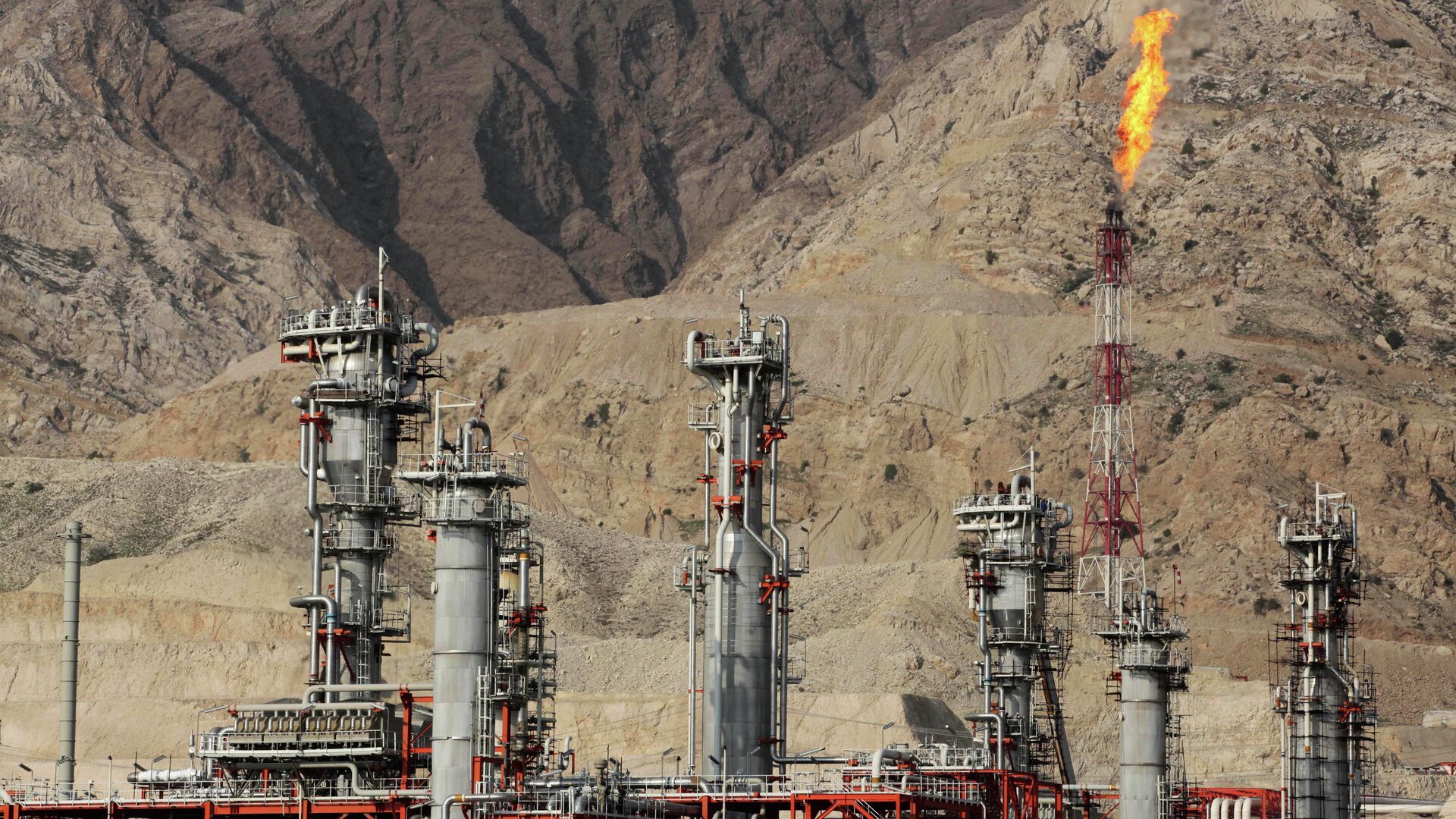
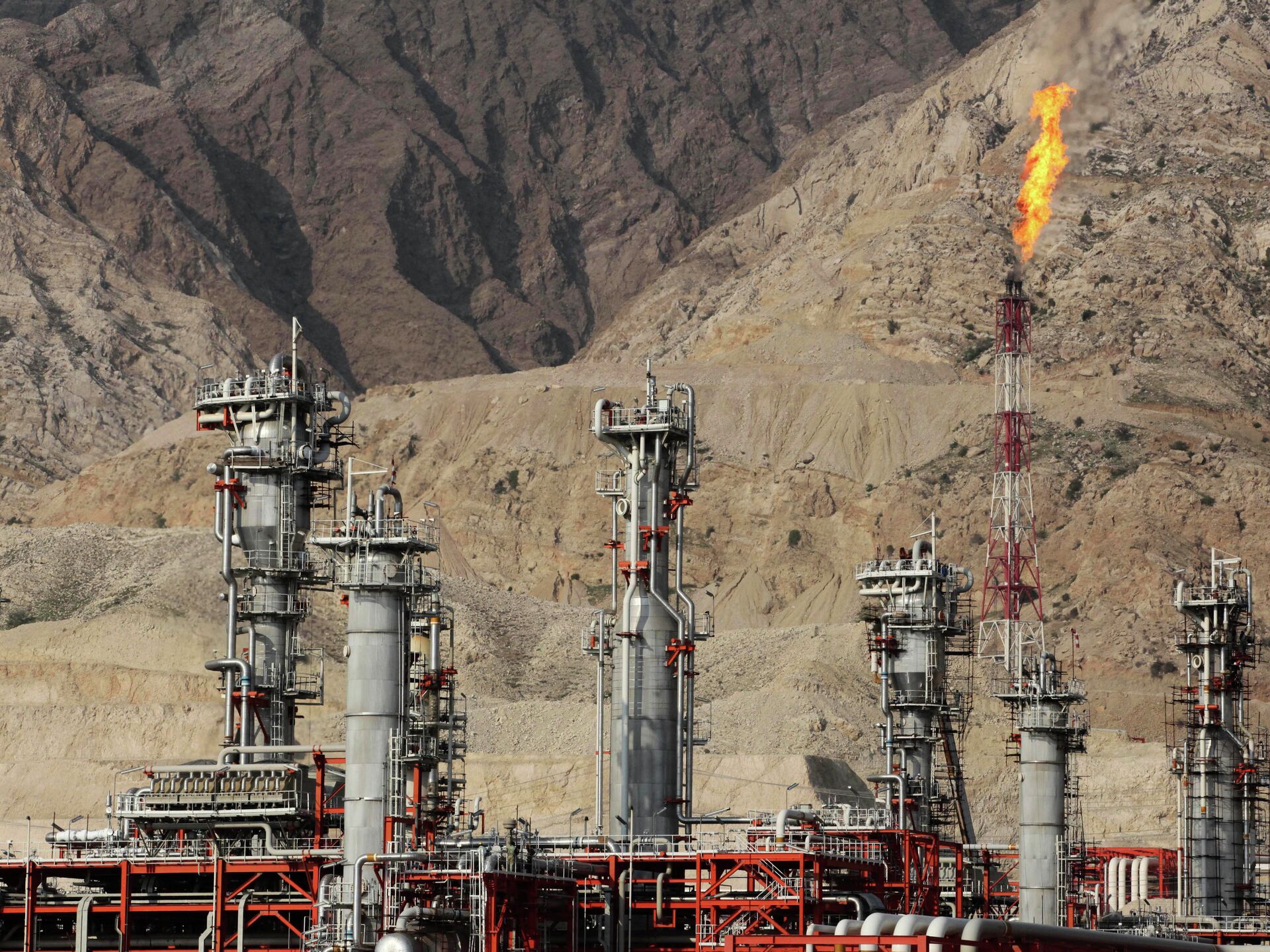
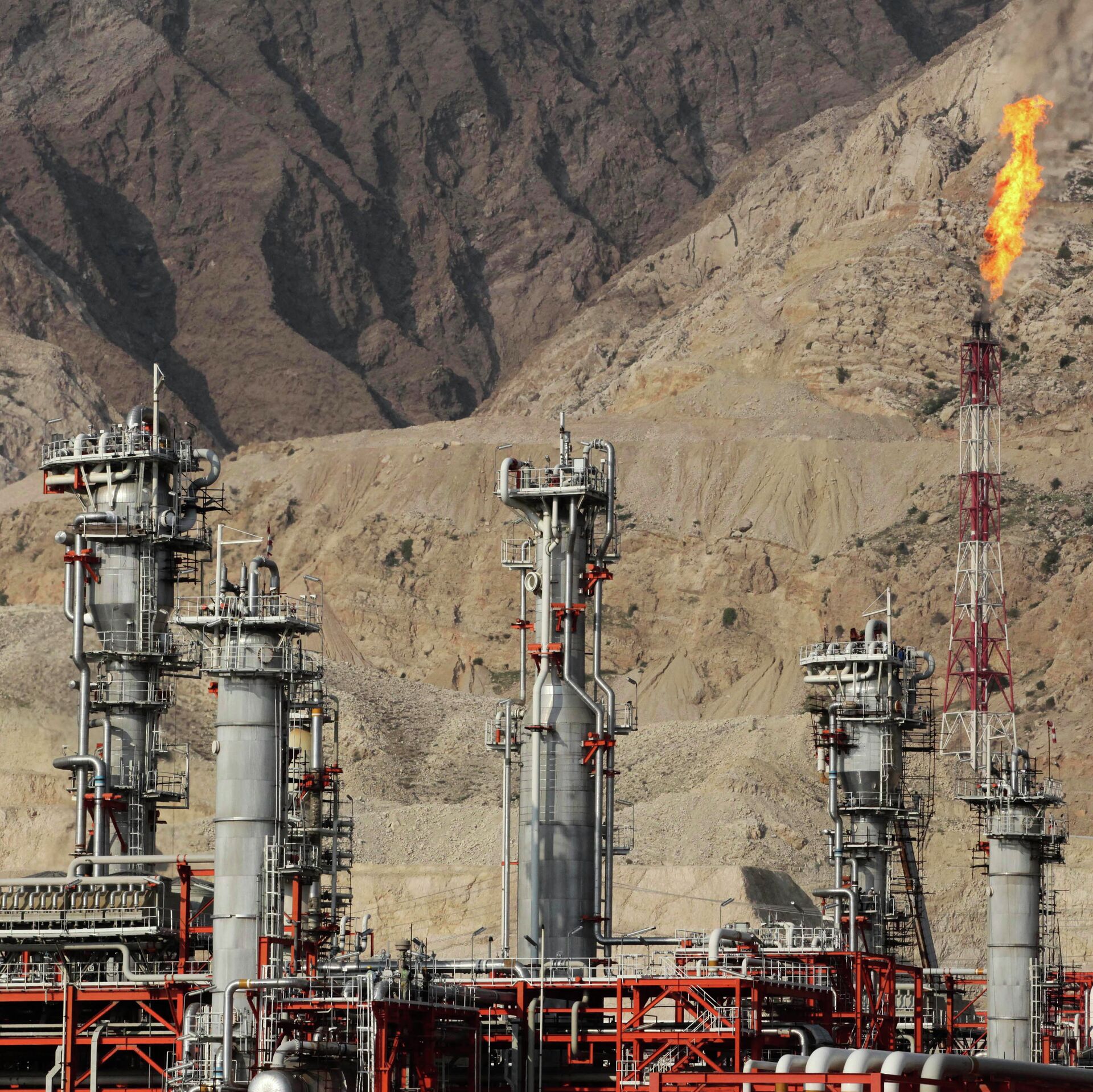
The US may have been informed about the Israeli bombing of the Iranian South Pars gas field, energy security analyst Yeghia Tashjian of the Issam Fares Institute at the American University of Beirut tells Sputnik.
2026-03-19T17:22+0000
2026-03-19T17:22+0000
2026-03-19T18:05+0000
analysis
middle east
dr mamdouh salameh
israel
iran
russia
us central command (centcom)
liquefied natural gas (lng)
us
europe
https://cdn1.img.sputnikglobe.com/img/102512/50/1025125074_0:235:4500:2766_1920x0_80_0_0_bb9de2d0298aec57d9b277f22056c4ab.jpg
"When it comes to major Israeli operations – especially those with regional escalation risks – the level of coordination with the US, particularly CENTCOM, is typically very high," Tashjian says. But he adds that sometimes Israel only notifies Washington at the eleventh hour.The Israeli attack was mostly likely planned by both the US and Israel, believes Dr Mamdouh Salameh, an international oil economist and a global energy expert.One of the objectives is "to intensify the enmity between the Arab Gulf States and Iran and bring them on the side of the US and Israel," Salameh tells Sputnik.Who Benefits?The ongoing escalation around the field could benefit energy exporters like the US, Russia or Saudi Arabia, Tashjian says.But there’s a problem: ongoing fighting around the South Pars — part of the world’s largest natural gas field — and Iranian retaliation has pushed up already-soaring gas and oil prices.Facing a global energy crunch and soaring prices, it's hardly surprising the US is ready to "lift sanctions on Russian and Venezuelan oil and gas," according to Tashjian.Energy and Food CrisesThe consequences could be severe on several levels, says Tashjian:
https://sputnikglobe.com/20260319/pentagon-seeks-200b-for-iran-war-as-costs-surge--reports-1123849813.html
israel
iran
russia
southeast asia
Sputnik International
feedback@sputniknews.com
+74956456601
MIA „Rossiya Segodnya“
2026
News
en_EN
Sputnik International
feedback@sputniknews.com
+74956456601
MIA „Rossiya Segodnya“
Sputnik International
feedback@sputniknews.com
+74956456601
MIA „Rossiya Segodnya“
iran's south pars gas field, persian gulf, gas deposits in the persian gulf, israel's attack on south pars, iran's retaliation strikes on gulf gas facilities, gulf crisis sends gas and oil prices high, energy crisis, gas crisis
iran's south pars gas field, persian gulf, gas deposits in the persian gulf, israel's attack on south pars, iran's retaliation strikes on gulf gas facilities, gulf crisis sends gas and oil prices high, energy crisis, gas crisis
Israeli Attack on South Pars Gas Field: A US Move to Expand LNG Share?
17:22 GMT 19.03.2026 (Updated: 18:05 GMT 19.03.2026) The US may have been informed about the Israeli bombing of the Iranian South Pars gas field, geopolitical expert Yeghia Tashjian of the Issam Fares Institute at the American University of Beirut tells Sputnik.
"When it comes to major Israeli operations – especially those with regional escalation risks – the level of coordination with the US, particularly CENTCOM, is typically very high," Tashjian says. But he adds that sometimes Israel only notifies Washington at the eleventh hour.
The Israeli attack was mostly likely planned by both the US and Israel, believes Dr Mamdouh Salameh, an international oil economist and a global energy expert.
One of the objectives is "to intensify the enmity between the Arab Gulf States and Iran and bring them on the side of the US and Israel," Salameh tells Sputnik.
The ongoing escalation around the field could benefit energy exporters like the US, Russia or Saudi Arabia, Tashjian says.
"The US will certainly benefit from the rising liquified natural gas (LNG) prices which it sells to the vassal states of Europe at two to four times the price of piped Russian gas," echoes Salameh.
But there’s a problem: ongoing fighting around the South Pars — part of the world’s largest natural gas field — and
Iranian retaliation has pushed up already-soaring
gas and oil prices.
Facing a global energy crunch and soaring prices, it's hardly surprising the US is ready to "lift sanctions on Russian and Venezuelan oil and gas," according to Tashjian.
The consequences could be severe on several levels, says Tashjian:
Even limited damage could disrupt production or shipping, sending global gas prices sharply upward, particularly affecting Europe and Asia
It risks horizontal escalation: as Iran retaliates against Gulf energy infrastructure or continues the blockade of the Strait or Hormuz
By causing an energy security crisis, in the long term, a food security crisis could emerge hitting countries whose staple foods are dependent on imports