https://sputnikglobe.com/20260324/how-usisrael-war-on-iran-could-redraw-global-energy-map-1123887194.html
How US–Israel War on Iran Could Redraw Global Energy Map
How US–Israel War on Iran Could Redraw Global Energy Map
Sputnik International
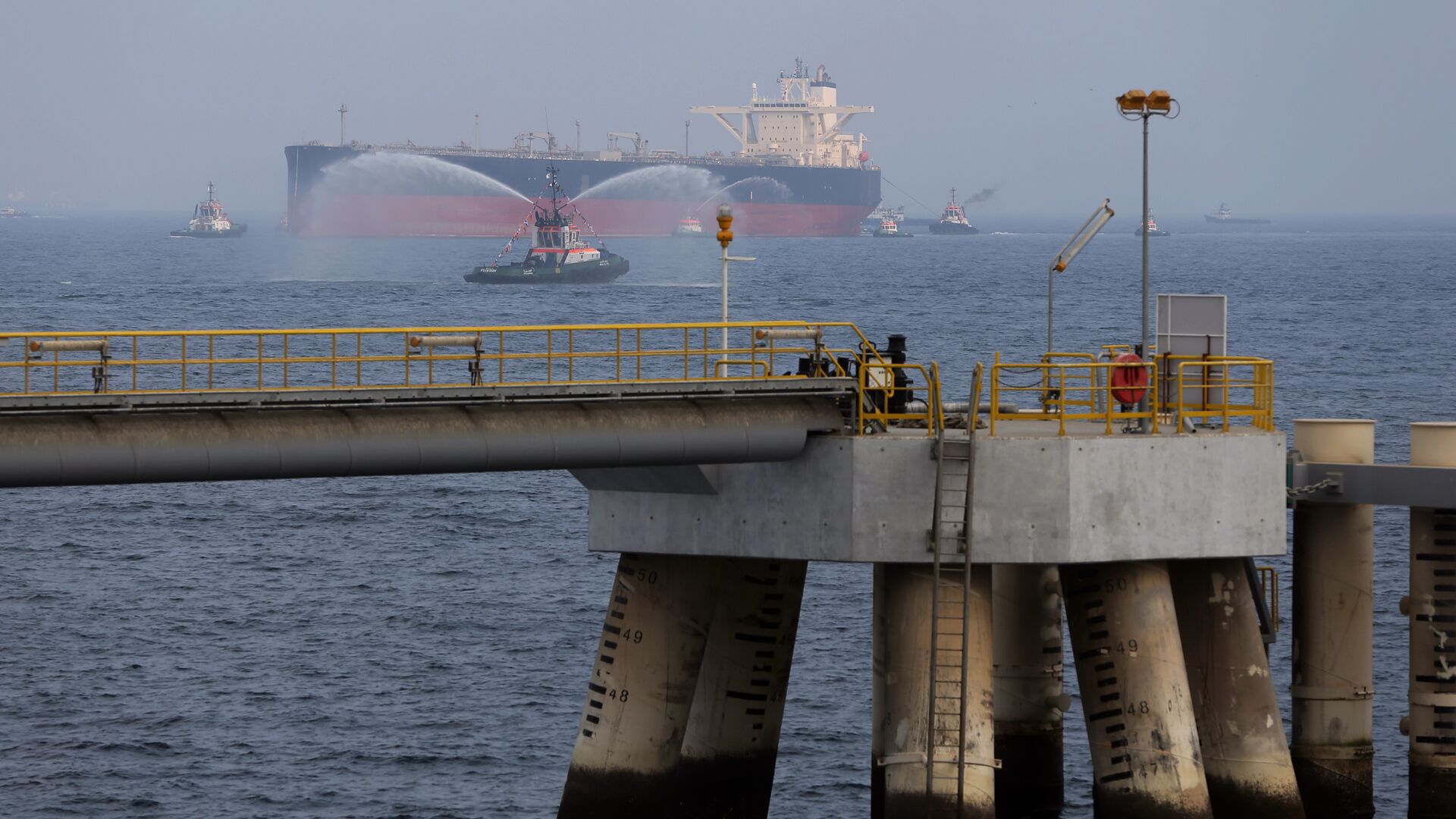
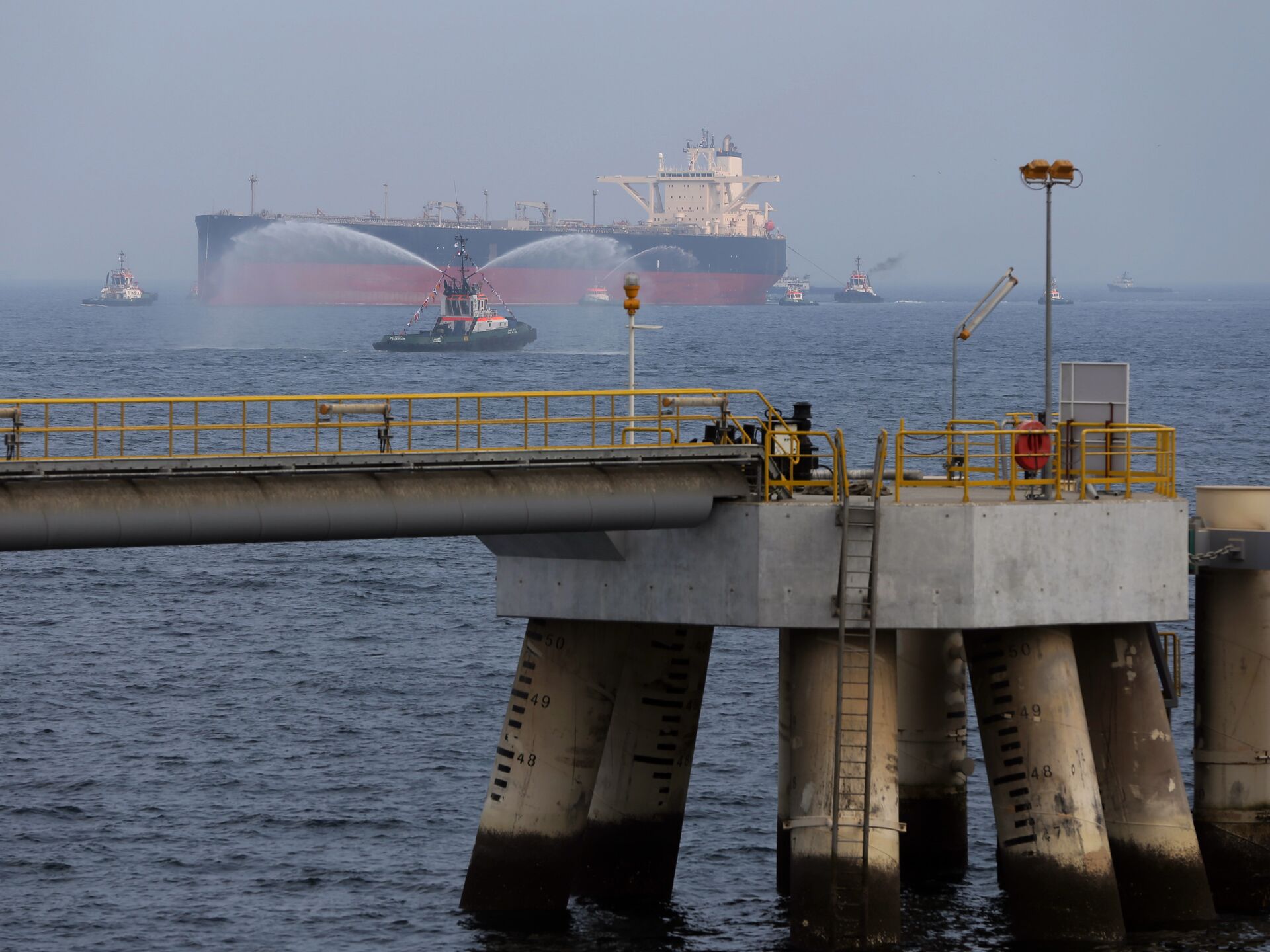
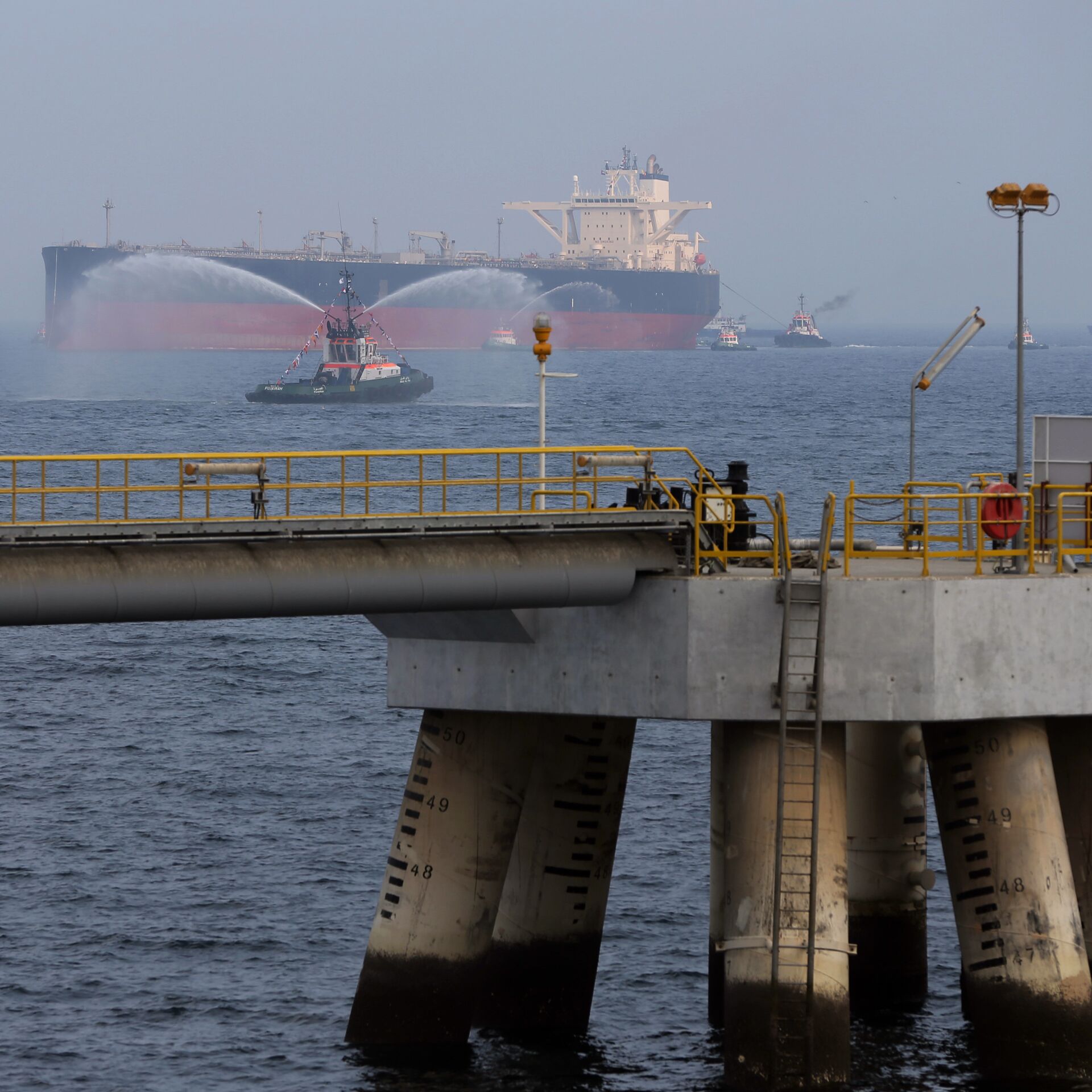
The ongoing chaos in the Persian Gulf contributes to the emergence of new Asian energy hubs, Guilherme da Conceicao, researcher at the Center for Research on Russia, Eurasia and the Post-Soviet Space (CIRE), tells Sputnik.
2026-03-24T12:39+0000
2026-03-24T12:39+0000
2026-03-24T12:39+0000
us-israel war on iran
us
iran
israel
persian gulf
russia
china
https://cdn1.img.sputnikglobe.com/img/106950/45/1069504556_0:237:4848:2964_1920x0_80_0_0_f531139d0a19b0c79cf13dd49c7d02f4.jpg
With the Strait of Hormuz energy bottleneck plugged, new energy routes from Russia to Asia and the growing demand for hydrocarbons in India and China result in this energy “axis” gravitating from the Persian Gulf towards Asia.US Weakness ExposedThe crisis in the Persian Gulf revealed the United States’ inability to ensure safety of energy transportation routes in the region, notes Carlos Renato Ungaretti of the International Strategic Studies (PPGEEI-UFRGS).The US, he says, apparently did not believe that Iran had such capacity for retaliation.Russia and China Lead the Energy TransitionRussia and China are changing the dynamics of the international energy system via multilateral organizations, observes Conceicao.Facing its dependence on fuel supply from the Middle East, China seeks to tackle this problem by developing its energy infrastructure.China’s efforts in this area are aided by Russia which ramps up the supply of natural gas to the Chinese economy through projects like the Power of Siberia pipeline.US’ Self-Destructive Foreign PolicyThe United States’ efforts to curb China’s trade relations with other nations end up doing more harm to the US itself, argues Conceicao. “The US foreign policy is, at least partially, schizophrenic,” he says.The US’ attempts to isolate China lead to the fragmentation of the United States’ leading role in the energy market and in the international system, Conceicao suggests.Such an aggressive approach only hurts the United States’ image in international affairs and ultimately benefits China, adds Ungaretti.
https://sputnikglobe.com/20260313/us-moves-to-ease-sanctions-on-russian-oil-in-bid-to-stabilize-global-energy-markets---kremlin--1123818955.html
iran
israel
persian gulf
russia
china
Sputnik International
feedback@sputniknews.com
+74956456601
MIA „Rossiya Segodnya“
2026
Sputnik International
feedback@sputniknews.com
+74956456601
MIA „Rossiya Segodnya“
News
en_EN
Sputnik International
feedback@sputniknews.com
+74956456601
MIA „Rossiya Segodnya“
Sputnik International
feedback@sputniknews.com
+74956456601
MIA „Rossiya Segodnya“
us israel iran war, global energy, guilherme da conceicao comment, guilherme da conceicao on global energy
us israel iran war, global energy, guilherme da conceicao comment, guilherme da conceicao on global energy
How US–Israel War on Iran Could Redraw Global Energy Map
The ongoing chaos in the Persian Gulf contributes to the emergence of new Asian energy hubs, Guilherme da Conceicao, researcher at the Center for Research on Russia, Eurasia and the Post-Soviet Space (CIRE), tells Sputnik.
With the Strait of Hormuz energy bottleneck plugged, new energy routes from Russia to Asia and the growing demand for hydrocarbons in India and China result in this energy “axis” gravitating from the Persian Gulf towards Asia.
The crisis in the Persian Gulf revealed the United States’ inability to ensure safety of energy transportation routes in the region, notes Carlos Renato Ungaretti of the International Strategic Studies (PPGEEI-UFRGS).
The US, he says, apparently did not believe that Iran had such capacity for retaliation.
“This is why we are now witnessing a gradual decline of the US’ ability to maintain security of the global energy routes, which traditionally fueled the US’ hegemony in energy geopolitics and on energy markets in general,” Ungaretti explains.
Russia and China Lead the Energy Transition
Russia and China are changing the dynamics of the international energy system via multilateral organizations, observes Conceicao.
Facing its dependence on fuel supply from the Middle East, China seeks to tackle this problem by developing its energy infrastructure.
China’s efforts in this area are aided by Russia which ramps up the supply of natural gas to the Chinese economy through projects like the Power of Siberia pipeline.
US’ Self-Destructive Foreign Policy
The United States’ efforts to curb China’s trade relations with other nations end up doing more harm to the US itself, argues Conceicao. “The US foreign policy is, at least partially, schizophrenic,” he says.
The US’ attempts to isolate China lead to the fragmentation of the United States’ leading role in the energy market and in the international system, Conceicao suggests.
Such an aggressive approach only hurts the United States’ image in international affairs and ultimately benefits China, adds Ungaretti.
“As the US loses its standing in the region and is being regarded as a source of conflict and instability, China becomes the source of stability,” he elaborates.