https://sputnikglobe.com/20260403/beyond-oil-how-the-iran-conflict-is-disrupting-pakistans-critical-labor-exports-to-the-gulf-1123939527.html
Beyond Oil: How the Iran Conflict Is Disrupting Pakistan's Critical Labor Exports to the Gulf
Beyond Oil: How the Iran Conflict Is Disrupting Pakistan's Critical Labor Exports to the Gulf
Sputnik International
Pakistan's economy depends heavily on labor exports to the Gulf, where millions of its citizens work. The Iran war has complicated this, prompting the government to devise a new strategy.
2026-04-03T15:00+0000
2026-04-03T15:00+0000
2026-04-03T15:00+0000
analysis
pakistan
east
saudi arabia
uae
persian gulf
https://cdn1.img.sputnikglobe.com/img/07ea/04/03/1123939337_0:0:1787:1006_1920x0_80_0_0_1fda754837f0987c8a05b652fcfa43ca.png
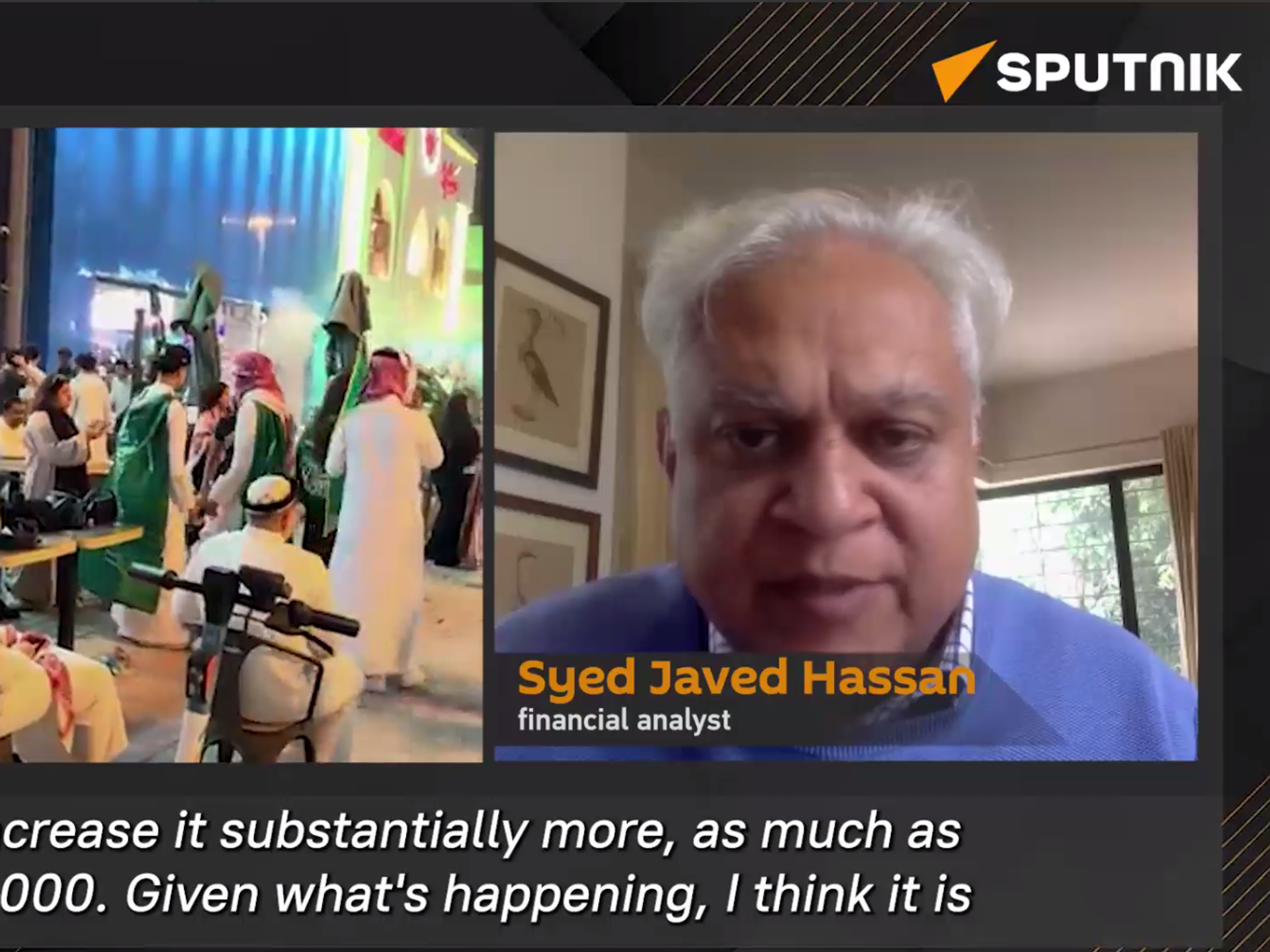
In recent years, Pakistan has significantly increased both its labor exports and the volume of remittances that Pakistanis send back home, financial analyst and former chairman of the Economic Advisory Group, Syed Javed Hassan, told Sputnik in an interview.This primarily concerns Middle Eastern countries – Saudi Arabia, the UAE, and Qatar. Previously, 300,000 to 400,000 workers left Pakistan for these countries each year. This year, the figure was expected to double, the analyst says.However, due to current events, the economies of these countries are facing a significant slowdown, Hassan believes. This makes it unlikely that the target of 800,000 workers will be reached. But that is not the main problem.Pakistan is currently grappling with a range of issues: oil prices are rising, which is having a dramatic impact on inflation. Hassan believes inflation could rise to 13–15%. This, in turn, would affect other economic growth indicators and interest rates, making it very difficult to absorb returning workers, the expert notes.According to Hassan, the Pakistani government is trying to find alternative markets for labor. But here, too, a problem exists.Countries such as Romania or even Germany are actively seeking to hire Pakistani workers, he says. However, they can only absorb a few thousand people. It is highly unlikely that they will take in hundreds of thousands. That level of absorption happens only in the Middle East, Hassan notes.Plumbers, electricians, and welders need to have the prerequisite certification, a requirement found in Asia, Europe, Korea, and Japan alike. This makes it difficult to develop alternative markets to the point where they could genuinely replace the Middle East, the expert explaines.The Middle East is a unique destination when it comes to absorbing Pakistani labor. Moreover, there are fewer cultural issues there than in Europe, Japan, or Korea. In China, the situation is very difficult due to stringent language requirements that, as of now, have not been met, Hassan notes."The outward labor exports to China have been very limited. It's been in the software area, in the computing area, in those areas, but those tend to be relatively small numbers," he concludes.
https://sputnikglobe.com/20260325/how-pakistan-is-weathering-the-lng-storm-1123892047.html
https://sputnikglobe.com/20260305/israeli-us-conflict-with-iran-poses-threat-to-global-stability-economy---lavrov-1123766673.html
pakistan
east
saudi arabia
uae
persian gulf
Sputnik International
feedback@sputniknews.com
+74956456601
MIA „Rossiya Segodnya“
2026
Sputnik International
feedback@sputniknews.com
+74956456601
MIA „Rossiya Segodnya“
News
en_EN
Sputnik International
feedback@sputniknews.com
+74956456601
MIA „Rossiya Segodnya“
Syed Javed Hassan, Pakistani financial analyst
Sputnik International
Syed Javed Hassan, Pakistani financial analyst
2026-04-03T15:00+0000
true
PT1M18S
Sputnik International
feedback@sputniknews.com
+74956456601
MIA „Rossiya Segodnya“
pakistan, economy, labor, middle east
pakistan, economy, labor, middle east
Beyond Oil: How the Iran Conflict Is Disrupting Pakistan's Critical Labor Exports to the Gulf
Pakistan's economy depends heavily on labor exports to the Gulf, where millions of its citizens work. The Iran war has complicated this, prompting the government to devise a new strategy.
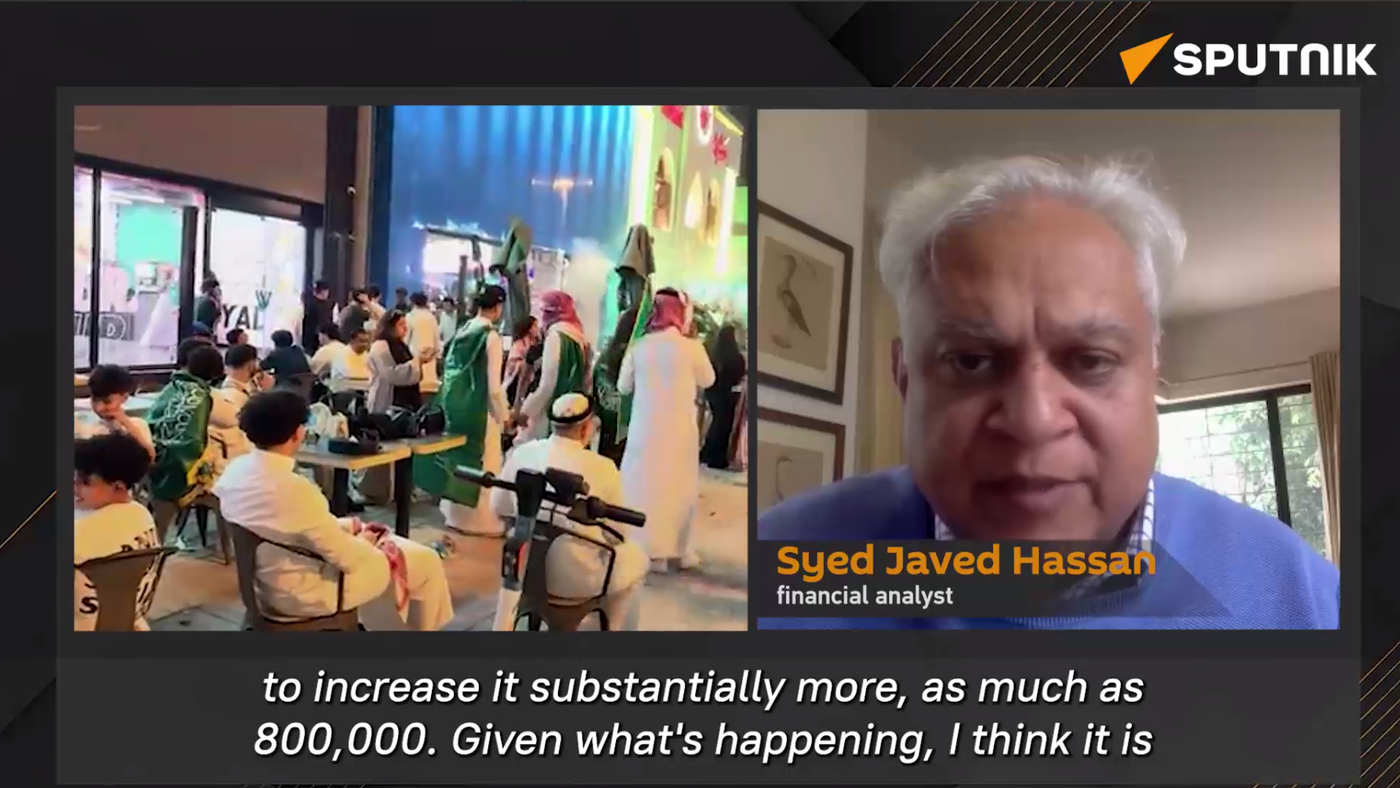
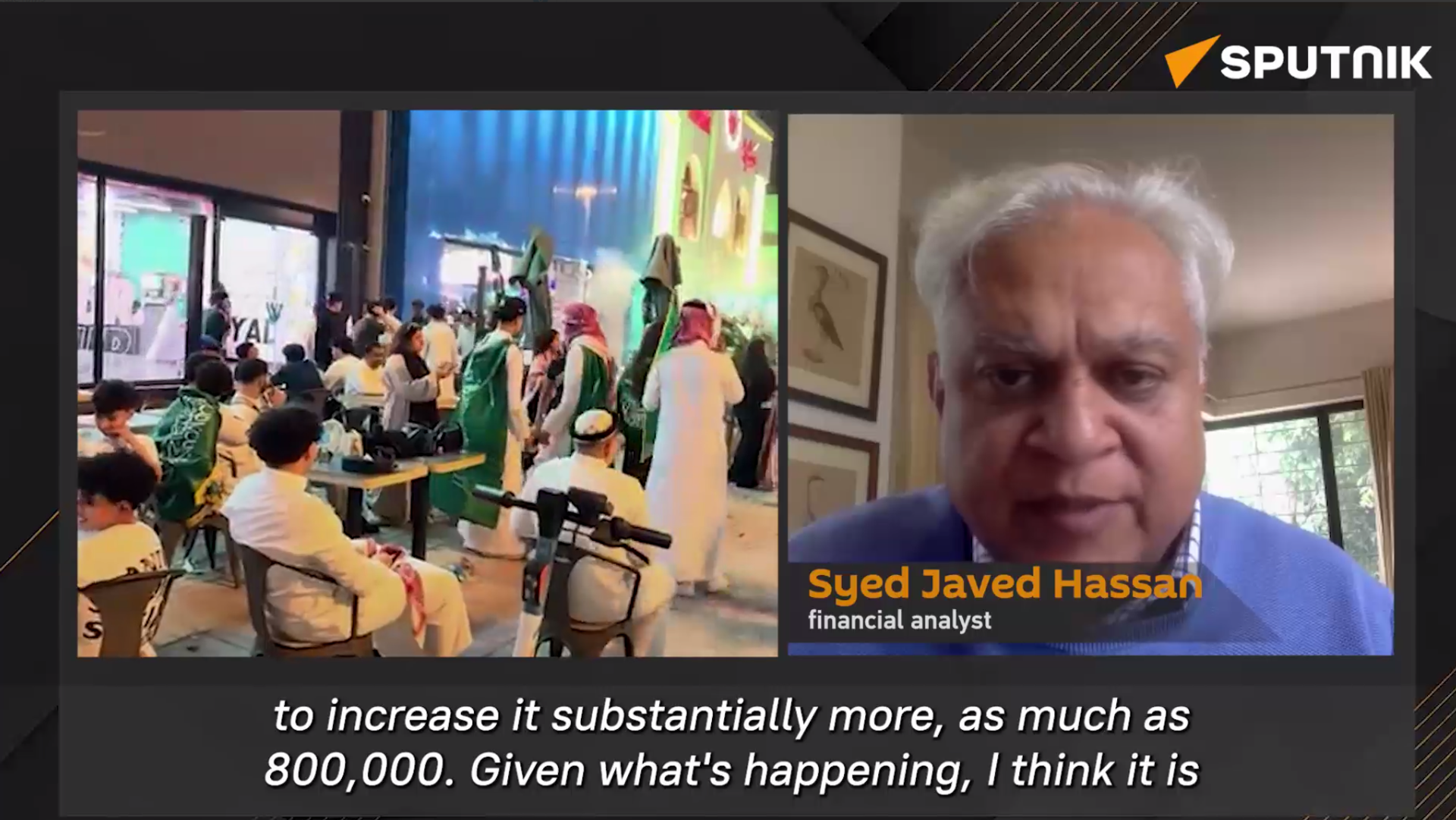
In recent years, Pakistan has significantly increased both its labor exports and the volume of remittances that Pakistanis send back home, financial analyst and former chairman of the Economic Advisory Group, Syed Javed Hassan, told Sputnik in an interview.
This primarily concerns Middle Eastern countries – Saudi Arabia, the UAE, and Qatar. Previously, 300,000 to 400,000 workers left Pakistan for these countries each year. This year, the figure was expected to double, the analyst says.
However, due to current events, the economies of these countries are facing a significant slowdown, Hassan believes. This makes it unlikely that the target of 800,000 workers will be reached. But that is not the main problem.
"My greater fear is not how much one can export there. It is actually, do we have the potential of seeing labor come back from the Gulf countries," Hassan commentes. "And that poses a lot of difficulties because it will be quite difficult for Pakistan to reintegrate a lot of these workers."
Pakistan is currently grappling with a range of issues: oil prices are rising, which is having a dramatic impact on inflation. Hassan believes inflation could rise to 13–15%. This, in turn, would affect other economic growth indicators and interest rates, making it very difficult to absorb returning workers, the expert notes.
According to Hassan, the Pakistani government is trying to find alternative markets for labor. But here, too, a problem exists.
Countries such as Romania or even Germany are actively seeking to hire Pakistani workers, he says. However, they can only absorb a few thousand people. It is highly unlikely that they will take in hundreds of thousands. That level of absorption happens only in the Middle East, Hassan notes.
"Moreover, in the European and even in the Chinese markets, it isn't raw labor, the kind that was absorbed in the Middle East. What they tend to require is much more skilled labor, which is certified, and that there is not enough of in Pakistan," he says.
Plumbers, electricians, and welders need to have the prerequisite certification, a requirement found in Asia, Europe, Korea, and Japan alike. This makes it difficult to develop alternative markets to the point where they could genuinely replace the Middle East, the expert explaines.
The Middle East is a unique destination when it comes to absorbing Pakistani labor. Moreover, there are fewer cultural issues there than in Europe, Japan, or Korea. In China, the situation is very difficult due to stringent language requirements that, as of now, have not been met, Hassan notes.
"The outward labor exports to China have been very limited. It's been in the software area, in the computing area, in those areas, but those tend to be relatively small numbers," he concludes.