https://sputnikglobe.com/20260412/heres-why-the-future-of-iran-us-negotiations-is-on-shaky-ground-1123975991.html
Here's Why the Future of Iran-US Negotiations is on Shaky Ground
Here's Why the Future of Iran-US Negotiations is on Shaky Ground
Sputnik International
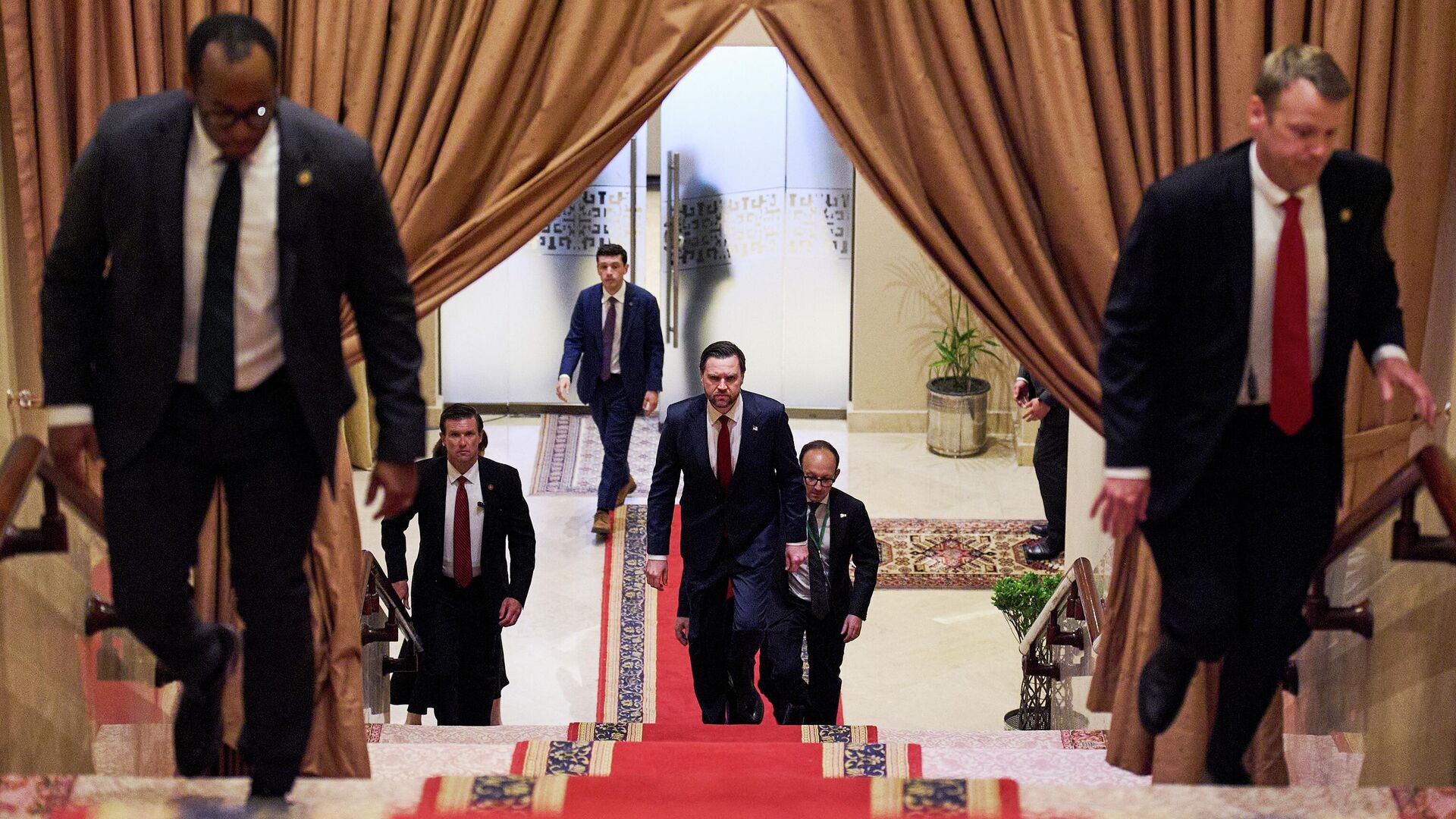
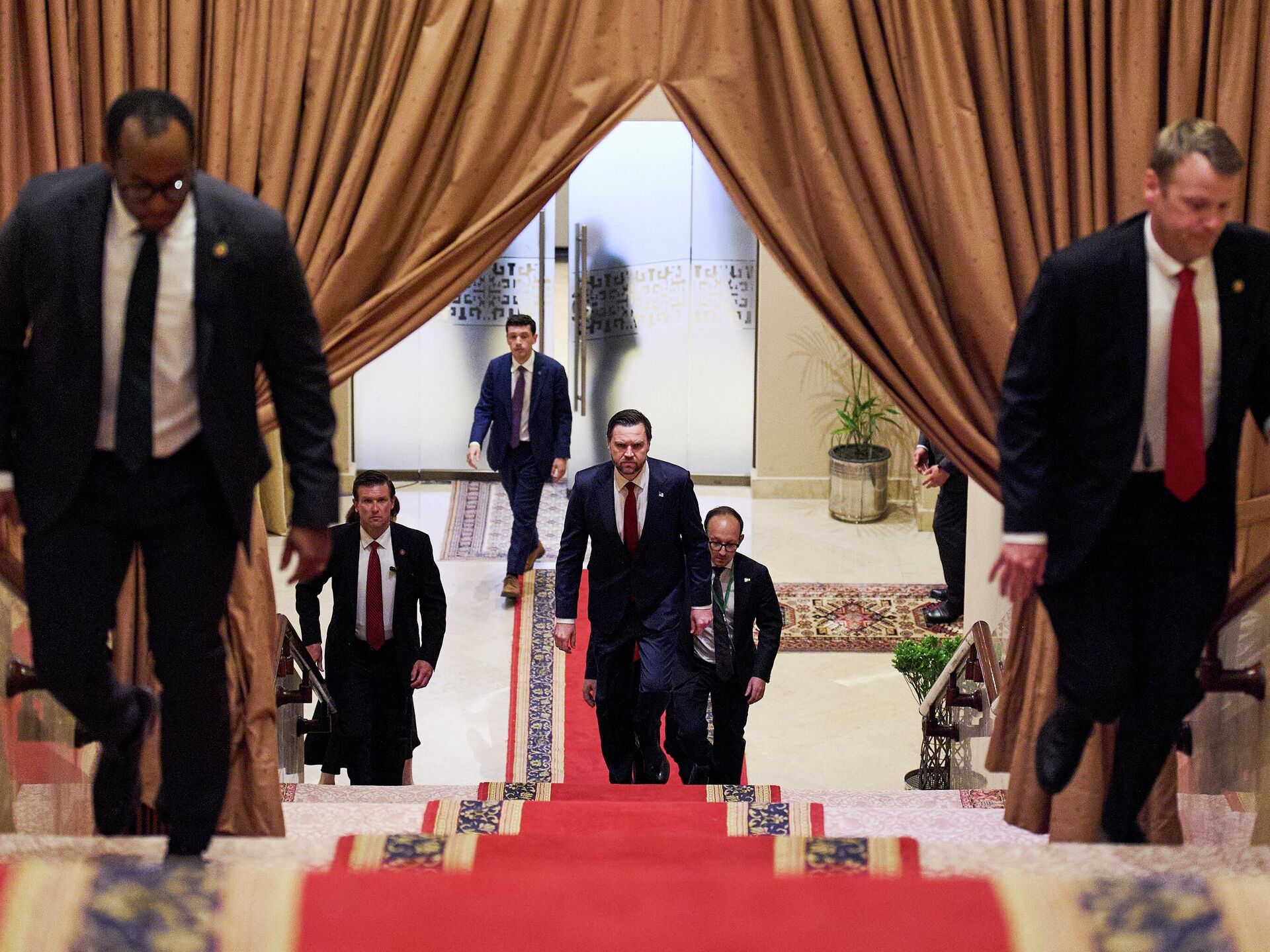
Iran is wary of further talks with the US and right to be so, Daffodil University professor Dr. Greg Simons told Sputnik, commenting on the impasse hit in negotiations in Islamabad on Saturday.
2026-04-12T13:38+0000
2026-04-12T13:38+0000
2026-04-12T13:38+0000
analysis
benjamin netanyahu
iran
strait of hormuz
us
peace talks
negotiations
https://cdn1.img.sputnikglobe.com/img/07ea/04/0b/1123972308_0:163:3062:1885_1920x0_80_0_0_23860b0ce8220e91f4be90d372224b4e.jpg
Iran only agreed to the talks in the first place on the urging of its global partners, with the outcome "predictable," Simons believes.The US, suffering the economic effects of the Iran war, is nevertheless trying for a "dignified exit from this colossal disaster," while demonstrating that "they are not a credible actor to deal with."The US and Israel are unable to adhere to not only international law, but also their own leaders' words - which "the Iranians understand now."
https://sputnikglobe.com/20260412/irans-parliament-speaker-expresses-gratitude-to-pakistan-for-facilitating-negotiations-1123973797.html
iran
strait of hormuz
Sputnik International
feedback@sputniknews.com
+74956456601
MIA „Rossiya Segodnya“
2026
Sputnik International
feedback@sputniknews.com
+74956456601
MIA „Rossiya Segodnya“
News
en_EN
Sputnik International
feedback@sputniknews.com
+74956456601
MIA „Rossiya Segodnya“
Sputnik International
feedback@sputniknews.com
+74956456601
MIA „Rossiya Segodnya“
will iran and us have more talks, what's stopping iran-us peace
will iran and us have more talks, what's stopping iran-us peace
Here's Why the Future of Iran-US Negotiations is on Shaky Ground
Iran is wary of further talks with the US and right to be so, Daffodil University professor Dr. Greg Simons told Sputnik, commenting on the impasse hit in negotiations in Islamabad on Saturday.
"The fact that the US tried to run the Strait of Hormuz with its naval vessels during the negotiations just says how little trust anyone can have in the US having any kind of honest, frank, and believable negotiations," the academic said.
Iran only agreed to the talks in the first place on the urging of its global partners, with the outcome "predictable," Simons believes.
The US, suffering the economic effects of the Iran war, is nevertheless trying for a "dignified exit from this colossal disaster," while demonstrating that "they are not a credible actor to deal with."
Netanyahu opposes the idea of talks themselves, as he is interested in continual war to "remain out of jail and in power."
The US and Israel are unable to adhere to not only international law, but also their own leaders' words - which "the Iranians understand now."