https://sputnikglobe.com/20260412/why-usiran-peace-talks-hit-wall-and-whats-next--1123976403.html
Why US–Iran Peace Talks Hit Wall and What’s Next
Why US–Iran Peace Talks Hit Wall and What’s Next
Sputnik International
The most likely option in the coming days is “the use of backchannels to communicate with the warring parties,” Fahad Nabeel, CEO at Geopolitical Insights, an Islamabad-based research consultancy firm, told Sputnik.
2026-04-12T16:47+0000
2026-04-12T16:47+0000
2026-04-12T16:47+0000
analysis
us
iran
pakistan
negotiations
strait of hormuz
talks
delegation
trust
https://cdn1.img.sputnikglobe.com/img/07ea/04/0c/1123976246_0:320:3072:2048_1920x0_80_0_0_e78b7306b3f871f960409345440c02c7.jpg
The most likely option in the coming days is “the use of backchannels to communicate with the warring parties” amid expectations that the ceasefire could hold for the next 10 days, Fahad Nabeel, CEO at Geopolitical Insights, an Islamabad-based research consultancy firm, told Sputnik.He suggested that Iran is “unlikely to abandon its demand for control over the Strait of Hormuz unless it is offered substantial economic incentives.”As for Iran, it is “unlikely to abandon its demand for control over the Strait of Hormuz unless it is offered substantial economic incentives,” Nabeel concluded.
https://sputnikglobe.com/20260410/trump-ahead-of-iran-talks-says-us-loading-up-ships-with-weapons-at-higher-level-1123969582.html
iran
pakistan
strait of hormuz
Sputnik International
feedback@sputniknews.com
+74956456601
MIA „Rossiya Segodnya“
2026
Sputnik International
feedback@sputniknews.com
+74956456601
MIA „Rossiya Segodnya“
News
en_EN
Sputnik International
feedback@sputniknews.com
+74956456601
MIA „Rossiya Segodnya“
Sputnik International
feedback@sputniknews.com
+74956456601
MIA „Rossiya Segodnya“
us-iran peace talks, major point of contention, prospects for diplomacy, final deal, peace agreement, islamabad talks, iran and us' failure to reach peace agreement
us-iran peace talks, major point of contention, prospects for diplomacy, final deal, peace agreement, islamabad talks, iran and us' failure to reach peace agreement
Why US–Iran Peace Talks Hit Wall and What’s Next
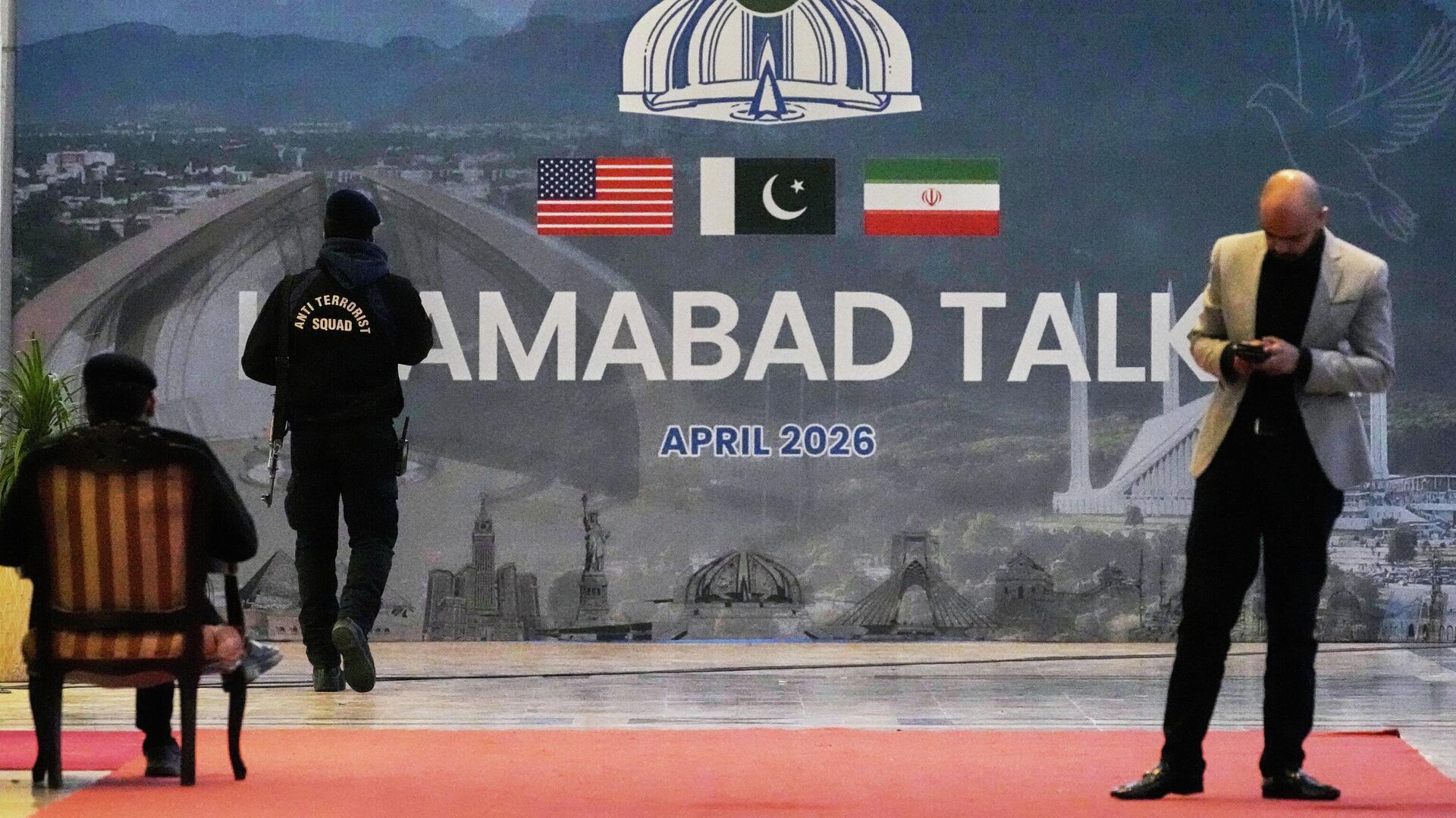
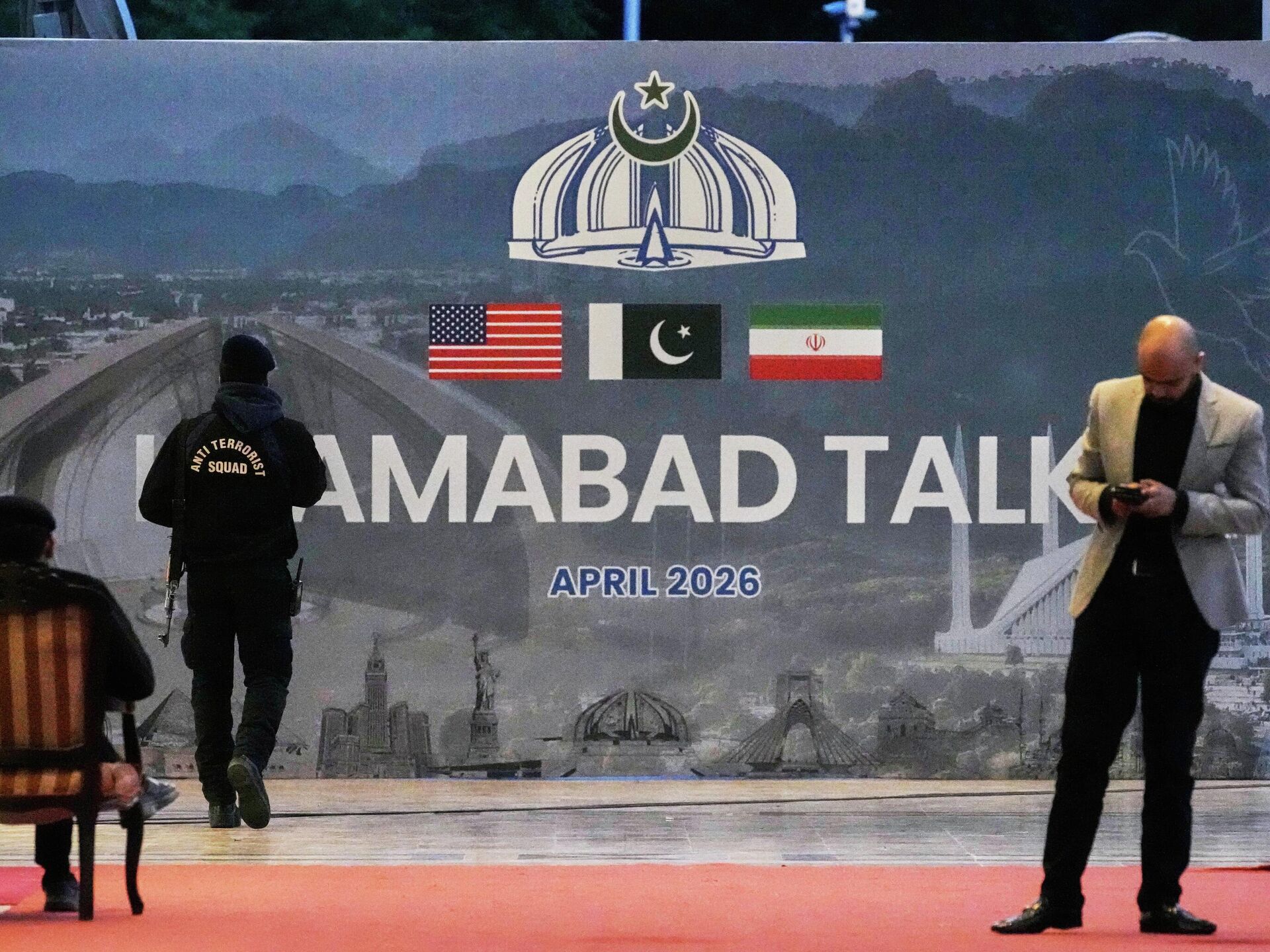
Iran's Parliamentary Speaker Mohammad Bagher Ghalibaf said on Sunday that his country's delegation raised "forward-looking" initiatives during negotiations in Pakistan's Islamabad, but the US failed to gain the trust of the delegation in the talks.
The most likely option in the coming days is “the use of backchannels to communicate with the warring parties” amid expectations that the ceasefire could hold for the next 10 days, Fahad Nabeel, CEO at Geopolitical Insights, an Islamabad-based research consultancy firm, told Sputnik.
The Strait of Hormuz remains a major point of contention that Iran sees as “the only meaningful leverage they have when negotiating with the US,” Nabeel pointed out.
He suggested that
Iran is “unlikely to abandon its demand for control over the Strait of Hormuz unless it is offered substantial economic incentives.”
“The extreme red lines adopted by both sides are limiting the prospects for diplomacy and hindering the achievement of an off-ramp,” the expert emphasized.
As for Iran, it is “unlikely to abandon its demand for control over the Strait of Hormuz unless it is offered substantial economic incentives,” Nabeel concluded.