https://sputnikglobe.com/20260416/us-blockade-of-strait-of-hormuz-could-disrput-truce-iran-cautions-1123995588.html
US Blockade of Strait of Hormuz Could Disrupt Truce, Iran Cautions
US Blockade of Strait of Hormuz Could Disrupt Truce, Iran Cautions
Sputnik International
The US blockade of the Strait of Hormuz can lead to a disruption of the ceasefire between Iran and the US, Iranian Foreign Ministry spokesman Esmail Baghaei told Sputnik.
2026-04-16T10:15+0000
2026-04-16T10:15+0000
2026-04-16T12:38+0000
us-israel war on iran
middle east
strait of hormuz
iran
us
us navy
foreign ministry
donald trump
https://cdn1.img.sputnikglobe.com/img/07ea/04/0d/1123981755_0:61:3421:1985_1920x0_80_0_0_2fe15942f925a875a66139d17e60e98c.jpg
"The blockade of the Strait of Hormuz is a provocative step, illegal under international law, and could lead to a disruption of the ceasefire. In this case, our armed forces are ready to take any necessary action," Baghaei asserted. On April 13, the US Navy imposed a sweeping blockade of all maritime traffic entering and leaving Iranian ports on both sides of the strategically vital Strait of Hormuz, a chokepoint through which roughly 20% of the world's oil, petroleum products, and LNG are transported. Washington maintains that non-Iranian vessels are free to transit the Strait of Hormuz as long as they do not pay Tehran a toll. Iranian authorities have not announced any imposition of a toll, but have discussed such plans. On February 28, the US and Israel launched coordinated strikes against numerous targets in Iran, including in Tehran, causing damage and civilian casualties and leading to the deaths of key leadership figures. Iran responded by striking Israeli soil and US military facilities in the Middle East. Many countries in the region have fully or partially shuttered their airspace amid risks from missile and drone strikes. On April 11, Iran and the US held talks in Islamabad after US President Donald Trump announced he had reached an agreement with Tehran for a two-week ceasefire. On April 12, the head of the US delegation, Vice President JD Vance, said Iran and the US had failed to reach an agreement during the negotiations. The US delegation returned home without a deal.
https://sputnikglobe.com/20260413/uss-very-foolish-double-blockade-of-hormuz-strait-makes-absolutely-no-sense-heres-why-1123981540.html
strait of hormuz
iran
Sputnik International
feedback@sputniknews.com
+74956456601
MIA „Rossiya Segodnya“
2026
Sputnik International
feedback@sputniknews.com
+74956456601
MIA „Rossiya Segodnya“
News
en_EN
Sputnik International
feedback@sputniknews.com
+74956456601
MIA „Rossiya Segodnya“
Sputnik International
feedback@sputniknews.com
+74956456601
MIA „Rossiya Segodnya“
us strait of hormuz blockade, us iran ceasefire, iranian foreign ministry
us strait of hormuz blockade, us iran ceasefire, iranian foreign ministry
US Blockade of Strait of Hormuz Could Disrupt Truce, Iran Cautions
10:15 GMT 16.04.2026 (Updated: 12:38 GMT 16.04.2026) TEHRAN (Sputnik) - The US blockade of the Strait of Hormuz can lead to a disruption of the ceasefire between Iran and the US, Iranian Foreign Ministry spokesman Esmail Baghaei told Sputnik.
"The blockade of the Strait of Hormuz is a provocative step, illegal under international law, and could lead to a disruption of the ceasefire. In this case, our armed forces are ready to take any necessary action," Baghaei asserted.
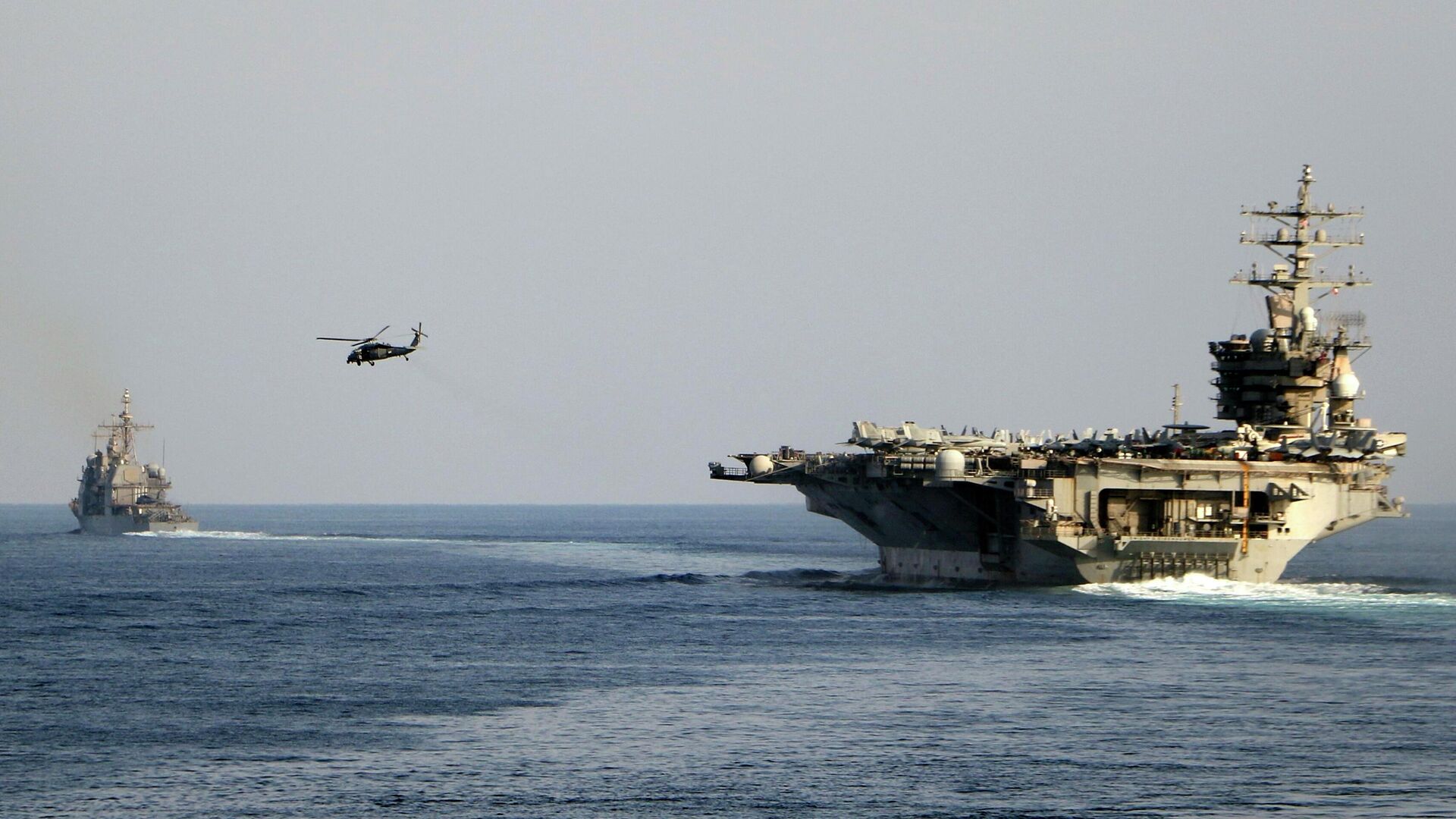
On April 13, the US Navy imposed a sweeping blockade of all maritime traffic entering and leaving Iranian ports on both sides of the strategically vital Strait of Hormuz, a chokepoint through which roughly 20% of the world's oil, petroleum products, and LNG are transported. Washington maintains that non-Iranian vessels are free to transit the Strait of Hormuz as long as they do not pay Tehran a toll. Iranian authorities have not announced any imposition of a toll, but have discussed such plans.
On February 28, the US and Israel launched coordinated strikes against numerous targets in Iran, including in Tehran, causing damage and civilian casualties and leading to the deaths of key leadership figures. Iran responded by striking Israeli soil and US military facilities in the Middle East. Many countries in the region have fully or partially shuttered their airspace amid risks from missile and drone strikes.
On April 11, Iran and the US held talks in Islamabad after US President Donald Trump announced he had reached an agreement with Tehran for a two-week ceasefire. On April 12, the head of the US delegation, Vice President JD Vance, said Iran and the US had failed to reach an agreement during the negotiations. The US delegation returned home without a deal.