https://sputnikglobe.com/20260507/thai-land-bridge-to-skirt-malacca-strait-gains-traction-as-us-weaponizes-waterways-1124091163.html
Thai Land Bridge to Skirt Malacca Strait Gains Traction as US Weaponizes Waterways
Thai Land Bridge to Skirt Malacca Strait Gains Traction as US Weaponizes Waterways
Sputnik International
Long dismissed as unfeasible, the project to bridge the Indian and Pacific Oceans across southern Thailand has now become significantly relevant.
2026-05-07T19:34+0000
2026-05-07T19:34+0000
2026-05-07T19:34+0000
analysis
china
russia
malacca
northern sea route
us
europe
pivot to asia
southeast asia
asia-pacific region
https://cdn1.img.sputnikglobe.com/img/07e7/08/07/1112441279_0:160:3072:1888_1920x0_80_0_0_3118df8aeeea2f1bda1426539d2b7d13.jpg
The Thai Land Bridge is “very ambitious”; “it will require a lot of resources and a lot of time to implement something of that magnitude and scale,” Professor Greg Simons from Daffodil International University tells Sputnik.But as the US increasingly weaponizes access to maritime chokepoints, “alternative routes that previously made little sense” could suddenly become strategically necessary, former Marine Brian Berletic says.“There is already a highway built connecting ports on either side of the Kra Isthmus,” and additional investment could bring the 90-km Thai Land Bridge online, he argues.Berletic sees the possibility of new trade corridors emerging “to bypass potential disruptions created by US belligerence at sea,” pointing to China’s Belt and Road Initiative and Russia’s Northern Sea Route as steps in that direction."One reason China embarked upon the Belt and Road Initiative was to specifically hedge against potential maritime blockades the US has planned and prepared for over the course of decades. Russia is seeking to develop the Northern Sea Route for similar purposes," he explains.
https://sputnikglobe.com/20260506/what-are-alternatives-to-strait-of-malacca-1124085726.html
china
russia
malacca
southeast asia
Sputnik International
feedback@sputniknews.com
+74956456601
MIA „Rossiya Segodnya“
2026
News
en_EN
Sputnik International
feedback@sputniknews.com
+74956456601
MIA „Rossiya Segodnya“
Sputnik International
feedback@sputniknews.com
+74956456601
MIA „Rossiya Segodnya“
china, russia, malacca, northern sea route, us, europe, pivot to asia, southeast asia, asia-pacific region, opinion
china, russia, malacca, northern sea route, us, europe, pivot to asia, southeast asia, asia-pacific region, opinion
Thai Land Bridge to Skirt Malacca Strait Gains Traction as US Weaponizes Waterways
Long dismissed as unfeasible, the project to bridge the Indian and Pacific Oceans across southern Thailand has now become significantly relevant.
The Thai Land Bridge is “very ambitious”; “it will require a lot of resources and a lot of time to implement something of that magnitude and scale,” Professor Greg Simons from Daffodil International University tells Sputnik.
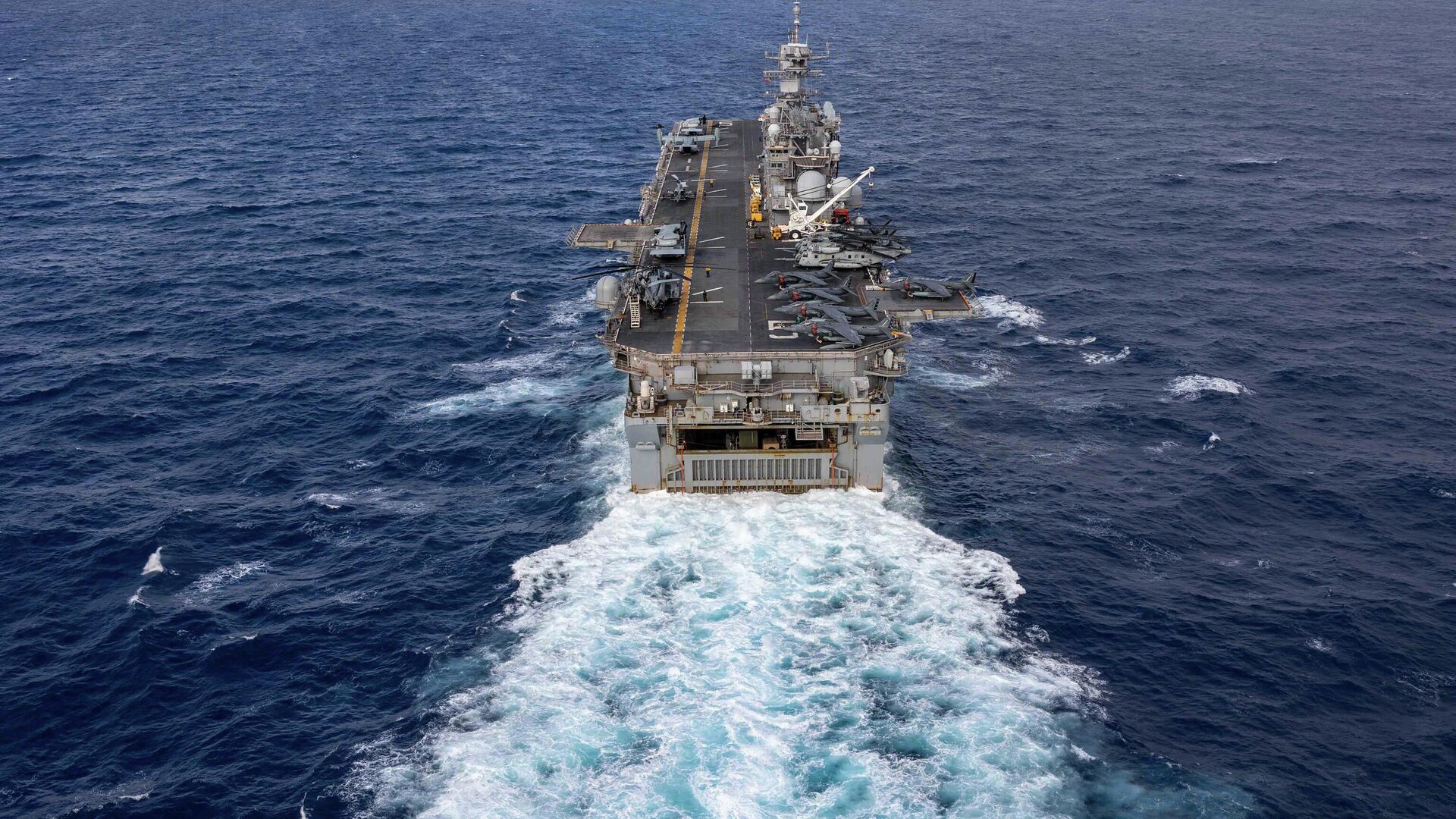
But as the US increasingly weaponizes access to
maritime chokepoints, “alternative routes that previously made little sense” could suddenly become strategically necessary, former Marine
Brian Berletic says.
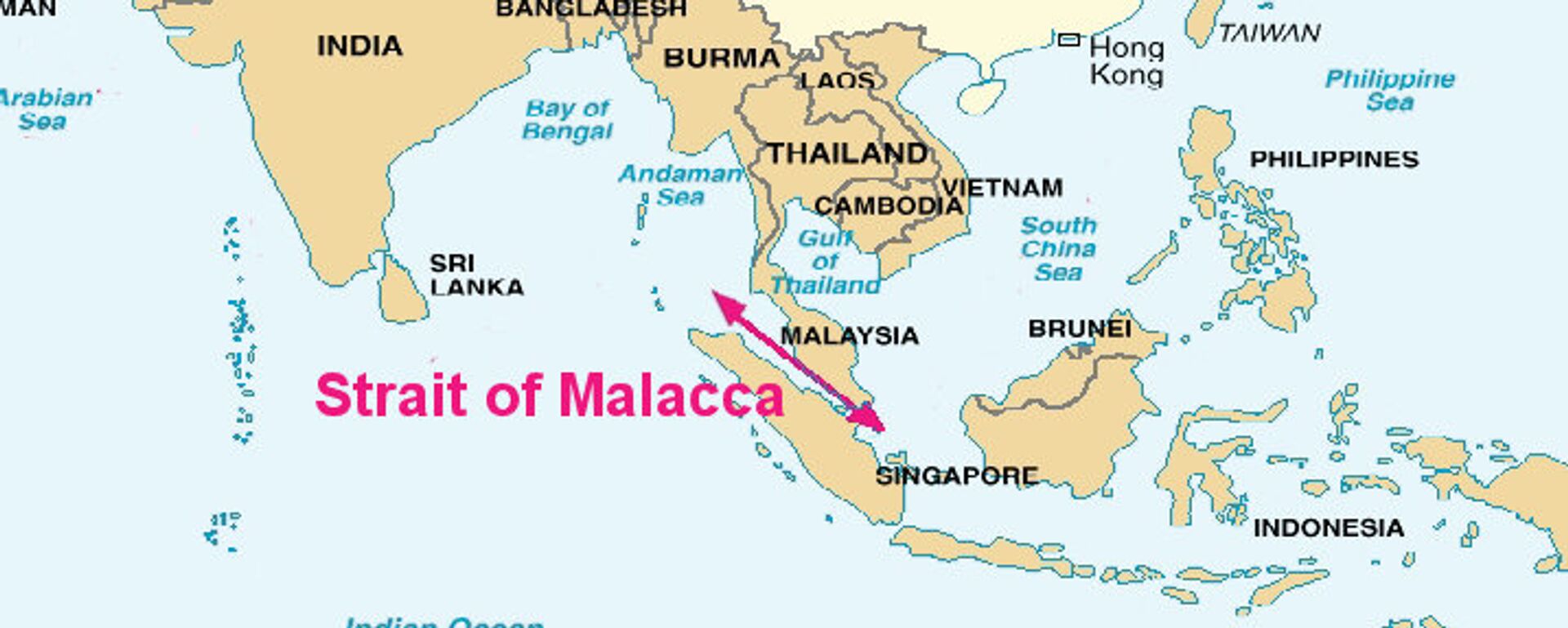
“There is already a highway built connecting ports on either side of the Kra Isthmus,” and additional investment could bring the 90-km Thai Land Bridge online, he argues.
Berletic sees the possibility of new trade corridors emerging
“to bypass potential disruptions created by US belligerence at sea,” pointing to China’s Belt and Road Initiative and Russia’s Northern Sea Route as steps in that direction.
"One reason China embarked upon the Belt and Road Initiative was to specifically hedge against potential maritime blockades the US has planned and prepared for over the course of decades. Russia is seeking to develop the Northern Sea Route for similar purposes," he explains.
"Anything adding to this network of overland infrastructure will not only benefit nations like China or Russia but the rest of the world seeking to rise alongside them," Berletic concludes.