https://sputnikglobe.com/20260508/not-just-another-rocket-why-fateh-3-is-pakistans-first-true-cruise-missile-1124095808.html
Not Just Another Rocket: Why Fateh-3 Is Pakistan's First True Cruise Missile
Not Just Another Rocket: Why Fateh-3 Is Pakistan's First True Cruise Missile
Sputnik International
The missiles represent a qualitative leap forward in the Fateh family — moving from rocket artillery to true cruise missile technology, an expert says.
2026-05-08T13:41+0000
2026-05-08T13:41+0000
2026-05-08T13:41+0000
analysis
fateh
sputnik
pakistan
military & intelligence
https://cdn1.img.sputnikglobe.com/img/07ea/05/08/1124095622_94:0:1008:514_1920x0_80_0_0_d0f91f65ced28778720eaa6689eb9bde.jpg
Pakistan has shown off its latest homegrown weapon: the Fateh-3, a supersonic cruise missile.Here’s what makes it stand out, according to media reports:· How fast? Between Mach 2.5 and 4 — that's up to 4,900 km/h, or roughly four times the speed of sound.· How far can it go? Pakistan hasn't said. For comparison, a similar Chinese missile (the HD-1) has a range of about 300 km.· Hard to spot: The Fateh-3 can fly extremely low over land or water, hugging the terrain to avoid detection and interception.· How it's different: Earlier missiles in the Fateh family — the Fateh-1 and Fateh-2 — are guided rocket artillery with ranges of 140–400 km. The Fateh-3 is a cruise missile, meaning it flies more like a pilotless aircraft.In short, Pakistan just added a fast, low-flying, and hard-to-stop missile to its arsenal.From rocket artillery to true cruise missile technologyThe missiles represent a qualitative leap forward in the Fateh family — moving from rocket artillery to true cruise missile technology, Abdullah Khan, director of the Pakistan Institute for Conflict and Security Studies, tells Sputnik.Fateh-3 marks a major enhancement to the rocket forces' precision-strike capabilities, Khan notes.In short, Pakistan’s armed forces are undergoing a deliberate and accelerated modernization drive. Looking ahead, the expert expects further progress in extended-range cruise and ballistic systems, greater integration of air and missile defense assets, the expansion of unmanned platforms, and strengthened electronic warfare and cyber capabilities.
https://sputnikglobe.com/20260505/pakistan-could-receive-first-batch-of-chinese-j-35s-in-2026-air-force-expert-1124082357.html
pakistan
Sputnik International
feedback@sputniknews.com
+74956456601
MIA „Rossiya Segodnya“
2026
Sputnik International
feedback@sputniknews.com
+74956456601
MIA „Rossiya Segodnya“
News
en_EN
Sputnik International
feedback@sputniknews.com
+74956456601
MIA „Rossiya Segodnya“
Sputnik International
feedback@sputniknews.com
+74956456601
MIA „Rossiya Segodnya“
fateh, sputnik, pakistan, military & intelligence
fateh, sputnik, pakistan, military & intelligence
Not Just Another Rocket: Why Fateh-3 Is Pakistan's First True Cruise Missile
The missiles represent a qualitative leap forward in the Fateh family — moving from rocket artillery to true cruise missile technology, an expert says.
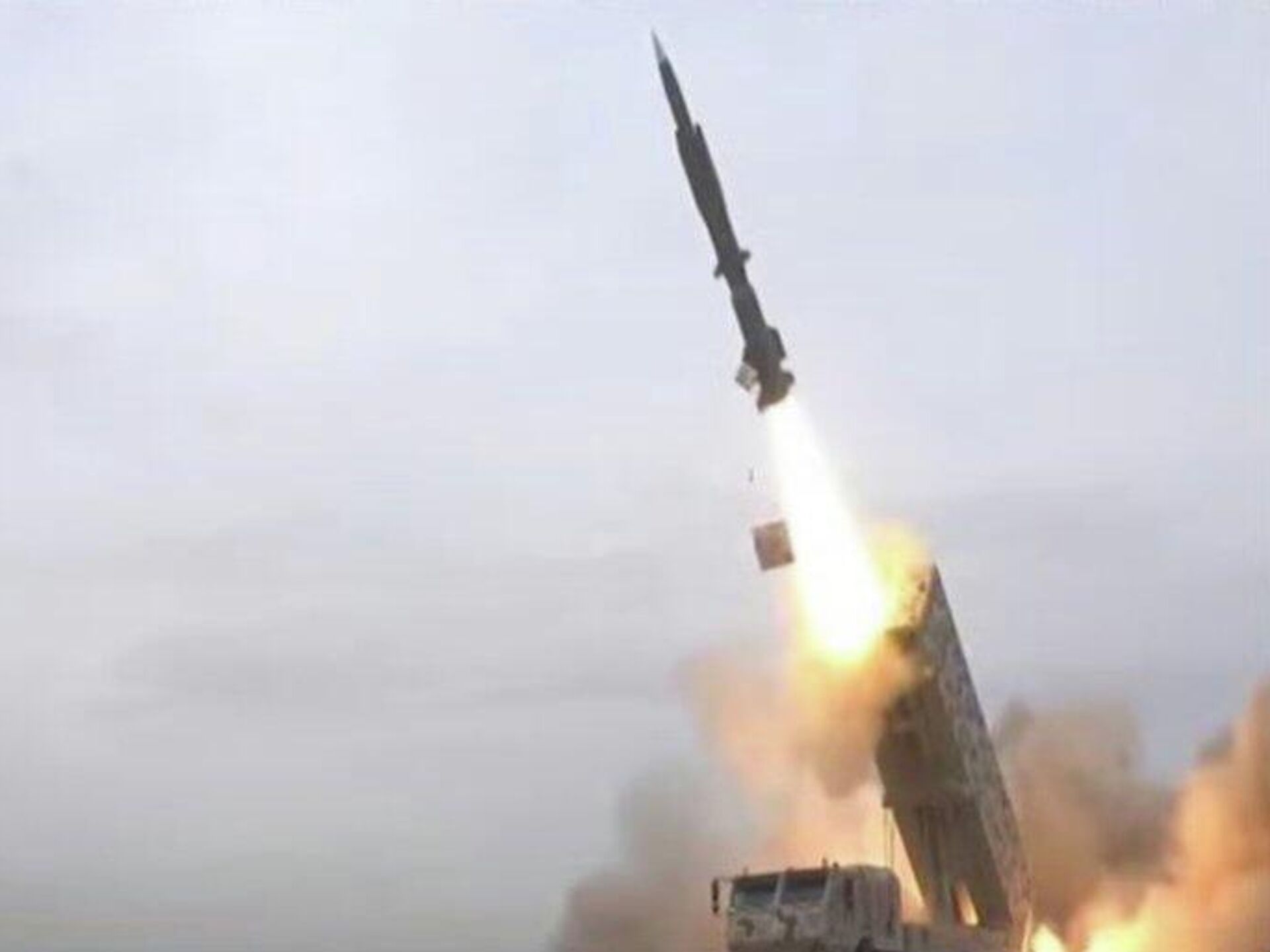
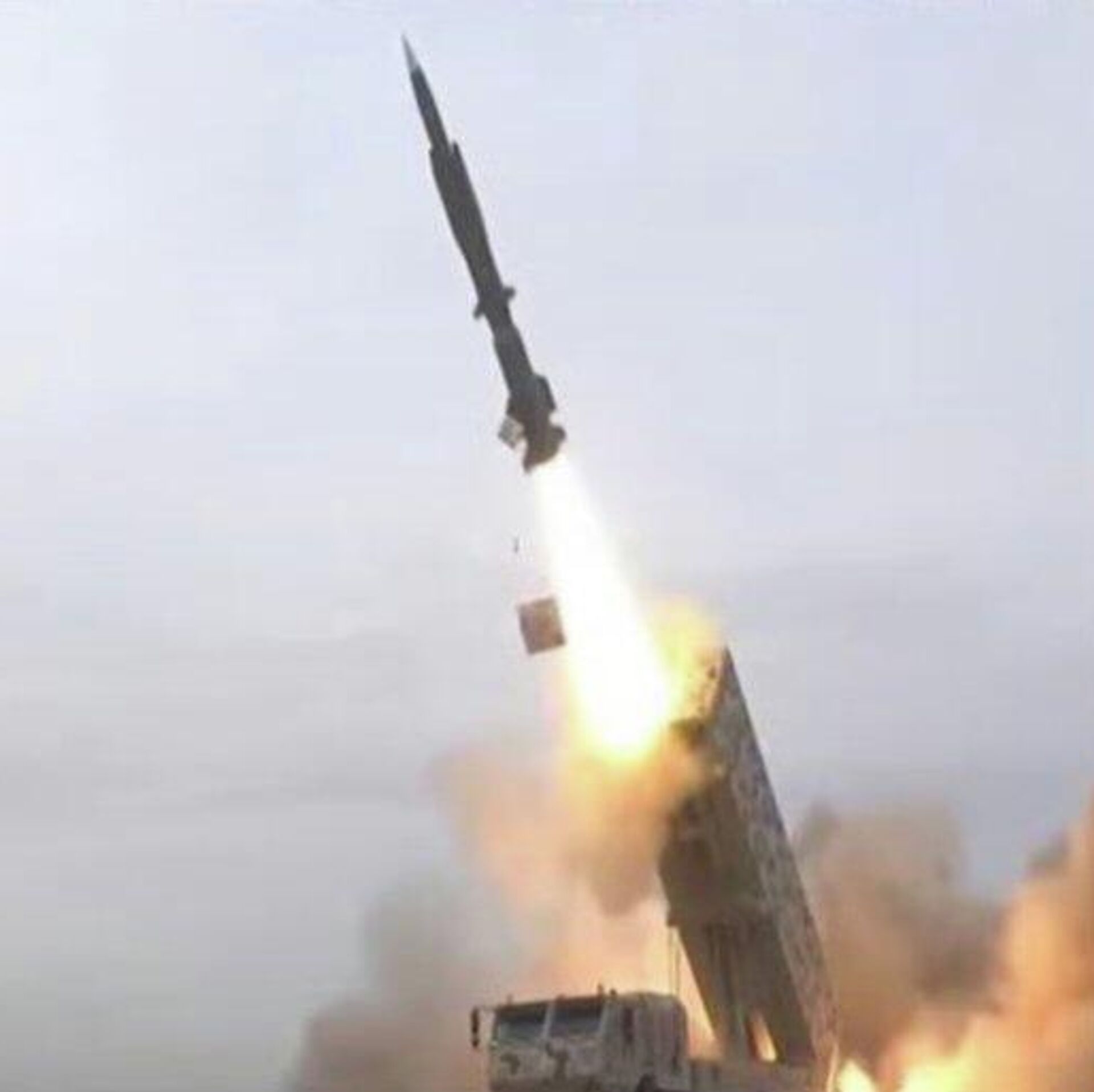
Pakistan has shown off its latest homegrown weapon: the Fateh-3, a supersonic cruise missile.
Here’s what makes it stand out, according to media reports:
· How fast? Between Mach 2.5 and 4 — that's up to 4,900 km/h, or roughly four times the speed of sound.
· How far can it go? Pakistan hasn't said. For comparison, a similar Chinese missile (the HD-1) has a range of about 300 km.
· Hard to spot: The Fateh-3 can fly extremely low over land or water, hugging the terrain to avoid detection and interception.
· How it's different: Earlier missiles in the Fateh family — the Fateh-1 and Fateh-2 — are guided rocket artillery with ranges of 140–400 km. The Fateh-3 is a cruise missile, meaning it flies more like a pilotless aircraft.
In short, Pakistan just added a fast, low-flying, and hard-to-stop missile to its arsenal.
From rocket artillery to true cruise missile technology
The missiles represent a qualitative leap forward in the Fateh family — moving from rocket artillery to true cruise missile technology, Abdullah Khan, director of the Pakistan Institute for Conflict and Security Studies, tells Sputnik.
"Prior to Fateh-3, the Pakistan Army operated Fateh-1 (140 km range guided rocket) and Fateh-2 (up to 400 km), which are advanced guided multiple-launch rocket systems focused on precision artillery strikes," he explains.
Fateh-3 marks a major enhancement to the rocket forces' precision-strike capabilities, Khan notes.
In short, Pakistan’s armed forces are undergoing a deliberate and accelerated modernization drive. Looking ahead, the expert expects further progress in extended-range cruise and ballistic systems, greater integration of air and missile defense assets, the expansion of unmanned platforms, and strengthened electronic warfare and cyber capabilities.