https://sputnikglobe.com/20260730/what-drove-russias-choice-of-targets-in-latest-massive-strike-on-ukraine-1124518456.html
What Drove Russia's Choice of Targets in Latest Massive Strike on Ukraine?
What Drove Russia's Choice of Targets in Latest Massive Strike on Ukraine?
Sputnik International
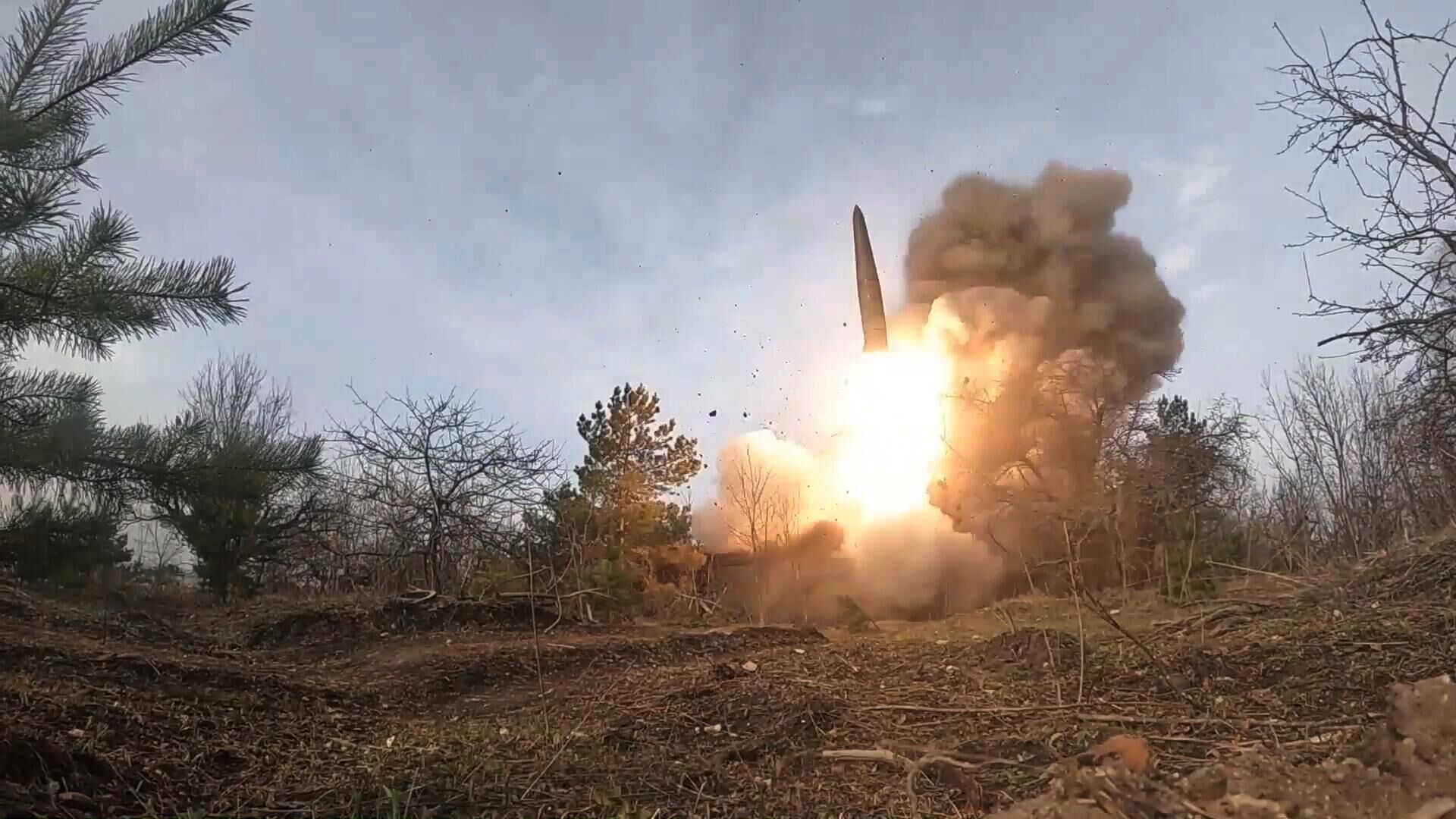
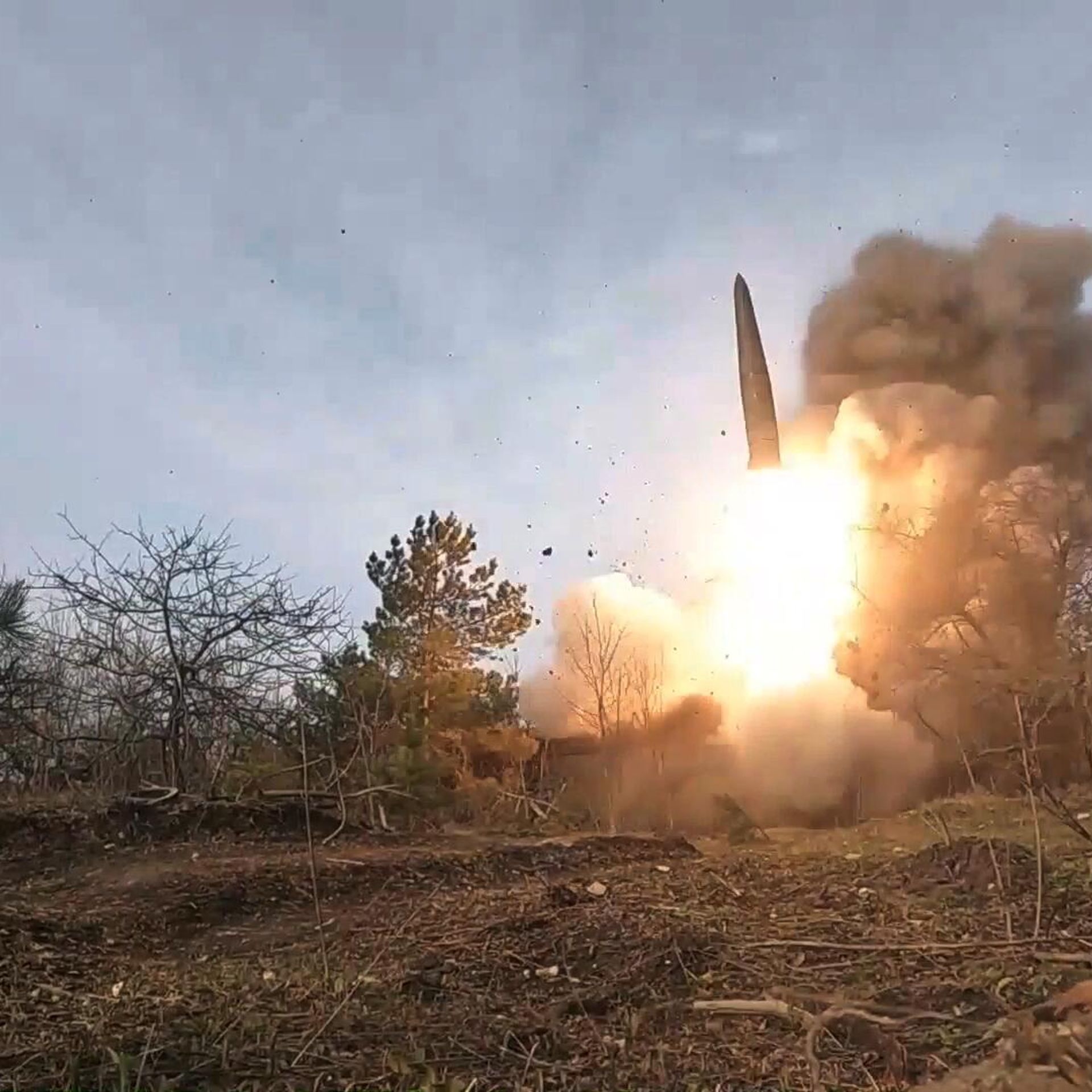
Strikes on Ukraine’s military-industrial facilities are severely degrading the Ukrainian military’s ability to carry out deep hits inside Russia, military experts tell Sputnik.
2026-07-30T13:10+0000
2026-07-30T13:10+0000
2026-07-30T13:10+0000
analysis
military & intelligence
ukraine
russia
sputnik
navy
grom-2
neptune
drone strikes
missile attacks
https://cdn1.img.sputnikglobe.com/img/07e8/03/09/1117228523_0:0:1920:1080_1920x0_80_0_0_74edfe813f118a6bd5c5c4c63456f042.jpg
Ukraine's Strike Capabilities Under Fire The July 30 strikes specifically targeted Ukraine’s production capabilities for: It is quite possible that the strikes were deliberately aimed at dismantling the production chain behind Ukraine's missile programs – Flamingo, Neptune, FP and Grom-2, according to retired Russian Navy Captain First Rank Vasily Dandykin. He believes that these strikes will continue and the more intense they become, the greater the Russian gains along the front line will be. By striking enemy production sites, Russia reduces the output of Ukrainian missiles and drones. "The enemy is already retreating, unable to halt Russia’s advance and only capable of slowing it down in certain sectors at best," Onufrienko notes.Thwarting Ukrainian Logistics Russia has also expanded and intensified its strike campaign in the Black Sea region, wiping out Ukrainian logistic hubs and seaborne supplies. "The next weak point will be the bridges across the Dnepr river, once a decision is made to destroy them," Onufrienko suggests. "No pontoon crossings, rafts or boats will be able to make up for the capacity of the existing bridges across the Dnepr."
https://sputnikglobe.com/20260729/why-russias-growing-ew-arsenal-is-becoming-a-serious-threat-to-starlink-1124513270.html
ukraine
russia
neptune
Sputnik International
feedback@sputniknews.com
+74956456601
MIA „Rossiya Segodnya“
2026
News
en_EN
Sputnik International
feedback@sputniknews.com
+74956456601
MIA „Rossiya Segodnya“
Sputnik International
feedback@sputniknews.com
+74956456601
MIA „Rossiya Segodnya“
military & intelligence, ukraine, russia, sputnik, navy, grom-2, neptune, drone strikes, missile attacks, us, europe, russian airstrikes
military & intelligence, ukraine, russia, sputnik, navy, grom-2, neptune, drone strikes, missile attacks, us, europe, russian airstrikes
What Drove Russia's Choice of Targets in Latest Massive Strike on Ukraine?
Strikes on Ukraine’s military-industrial facilities are severely degrading the Ukrainian military’s ability to carry out deep hits inside Russia, military experts tell Sputnik.
Ukraine's Strike Capabilities Under Fire
The
July 30 strikes specifically targeted Ukraine’s production capabilities for:
FP-1 and FP-2 fixed-wing attack drones
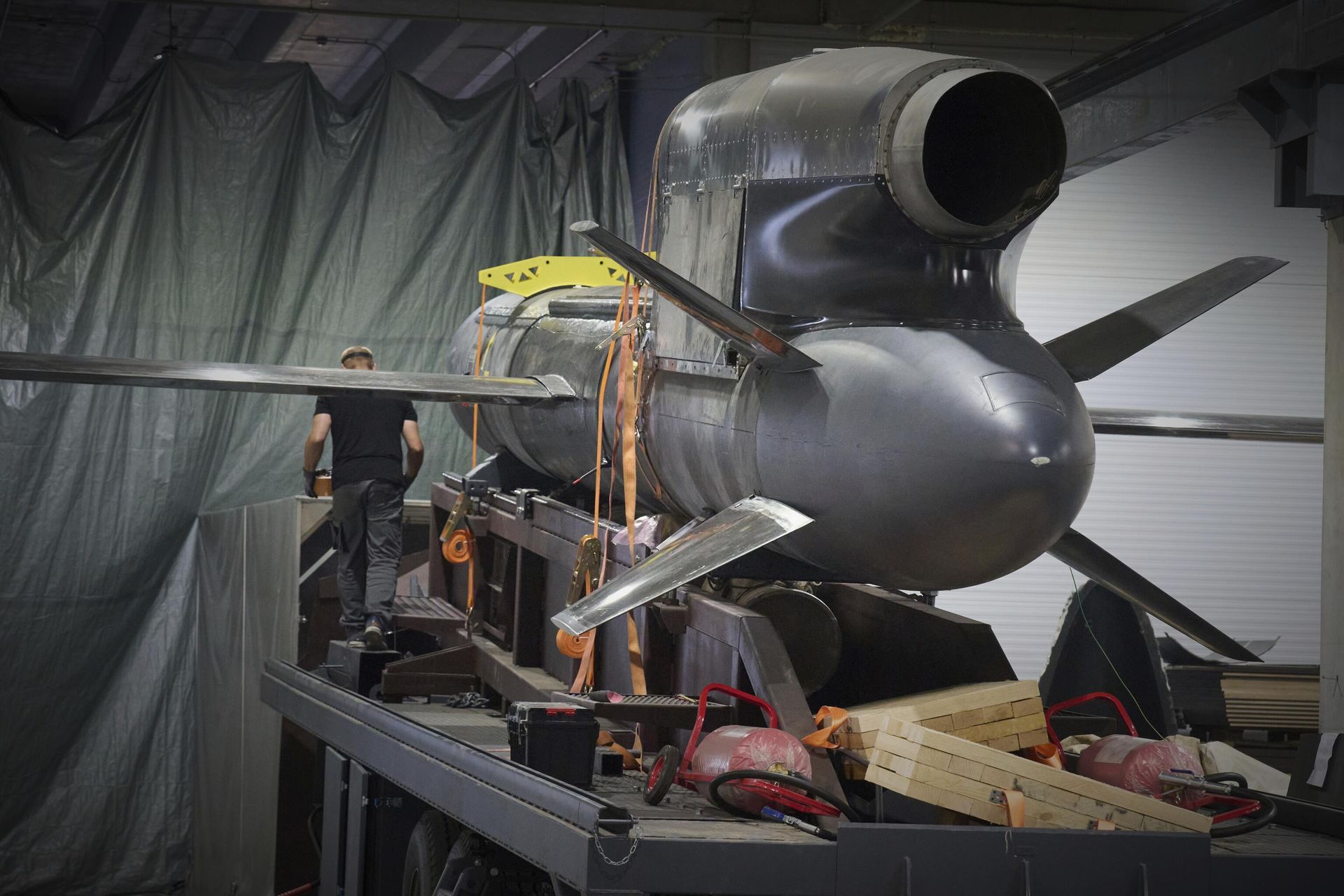
FP-5 Flamingo ground-launched cruise missiles
FP-7 and FP-9 operational-tactical missiles
Neptune-MD long-range guided missiles
Grom-2 operational-tactical missiles
It is quite possible that the strikes were deliberately aimed at dismantling the production chain behind Ukraine's missile programs – Flamingo, Neptune, FP and Grom-2, according to retired Russian Navy Captain First Rank Vasily Dandykin.
He believes that these strikes will continue and
the more intense they become, the greater the Russian gains along the front line will be.
"Knocking out this part of the Kiev regime’s production infrastructure has become a primary objective," as Russian forces cripple Ukraine's ability to target its rear areas, military-political observer Mikhail Onufrienko says.
By striking enemy production sites, Russia reduces the output of Ukrainian missiles and drones.
"The enemy is already retreating, unable to halt Russia’s advance and only capable of slowing it down in certain sectors at best," Onufrienko notes.
Thwarting Ukrainian Logistics
Russia has also expanded and intensified its strike campaign in the Black Sea region, wiping out Ukrainian logistic hubs and seaborne supplies.
"Ukraine’s Black Sea ports have effectively been knocked out of operation, amounting to a de facto blockade stretching from Izmail to Ochakov and further toward Nikolaev," Dandykin says.
"The next weak point will be the bridges across the Dnepr river, once a decision is made to destroy them," Onufrienko suggests. "No pontoon crossings, rafts or boats will be able to make up for the capacity of the existing bridges across the Dnepr."