https://sputnikglobe.com/20260318/hormuz-crisis-allies-refuse-to-join-us-israeli-war-of-choice-against-iran--professor-1123842985.html
Hormuz Crisis: Allies Refuse to Join US-Israeli 'War of Choice' Against Iran – Professor
Hormuz Crisis: Allies Refuse to Join US-Israeli 'War of Choice' Against Iran – Professor
Sputnik International
European NATO members and other US allies do not want to get involved in the war against Iran, Professor Mehran Kamrava from Georgetown University in Qatar tells Sputnik.
2026-03-18T07:40+0000
2026-03-18T07:40+0000
2026-03-18T07:40+0000
world
donald trump
iran
strait of hormuz
israel
nato
us
https://cdn1.img.sputnikglobe.com/img/07ea/03/12/1123842827_0:104:2000:1229_1920x0_80_0_0_4edebd3eea9320a27fb1ca5caa4b8cff.jpg
"America's treatment of NATO has undermined America's standing not just globally, but particularly among America's traditional allies," Kamrava says. "It speaks volumes that they are refusing to involve themselves in America's war against Iran."'War of Choice'He pointed out that the conflict was an unprovoked "war of choice" for the US and Israel. US President Donald Trump had urged US allies and partners to help break the Iranian blockade of the Strait of Hormuz. European nations refused to send warships, though some, like Germany, expressed support for diplomatic efforts.The US and Israel were unprepared for fierce Iranian resistance, the pundit says. "Washington was looking for a quick, symbolic or decisive victory and that has not happened," he said "The Iranians have been prepared for a prolonged war, and that is important."Reopening Hormuz is Fraught With RisksThe professor said the blockade is hurting the US economy as gasoline prices rise. But Iran still controls the strategic waterway, and any US Navy flotilla would be at risk of attack. Even one US warship sunk or damaged or a few troop casualties would be "extremely costly" for the US government, the expert warns."If more American troops start dying, the US would pay a heavy price," he notes. "And this is exactly what the Iranians are counting on, the fact that they want to grind down America's resolve over time."
https://sputnikglobe.com/20260317/too-risky-to-follow-why-nato-allies-wont-join-the-us-hormuz-crusade-1123840227.html
iran
strait of hormuz
israel
Sputnik International
feedback@sputniknews.com
+74956456601
MIA „Rossiya Segodnya“
2026
Sputnik International
feedback@sputniknews.com
+74956456601
MIA „Rossiya Segodnya“
News
en_EN
Sputnik International
feedback@sputniknews.com
+74956456601
MIA „Rossiya Segodnya“
Sputnik International
feedback@sputniknews.com
+74956456601
MIA „Rossiya Segodnya“
hormuz crisis, european nato members, us allies, war against iran, us-israeli 'war of choice
hormuz crisis, european nato members, us allies, war against iran, us-israeli 'war of choice
Hormuz Crisis: Allies Refuse to Join US-Israeli 'War of Choice' Against Iran – Professor
European NATO members and other US allies do not want to get involved in the war against Iran, Professor Mehran Kamrava from Georgetown University in Qatar tells Sputnik.
"America's treatment of NATO has undermined America's standing not just globally, but particularly among America's traditional allies," Kamrava says. "It speaks volumes that they are refusing to involve themselves in America's war against Iran."
He pointed out that the conflict was an unprovoked "war of choice" for the US and Israel.
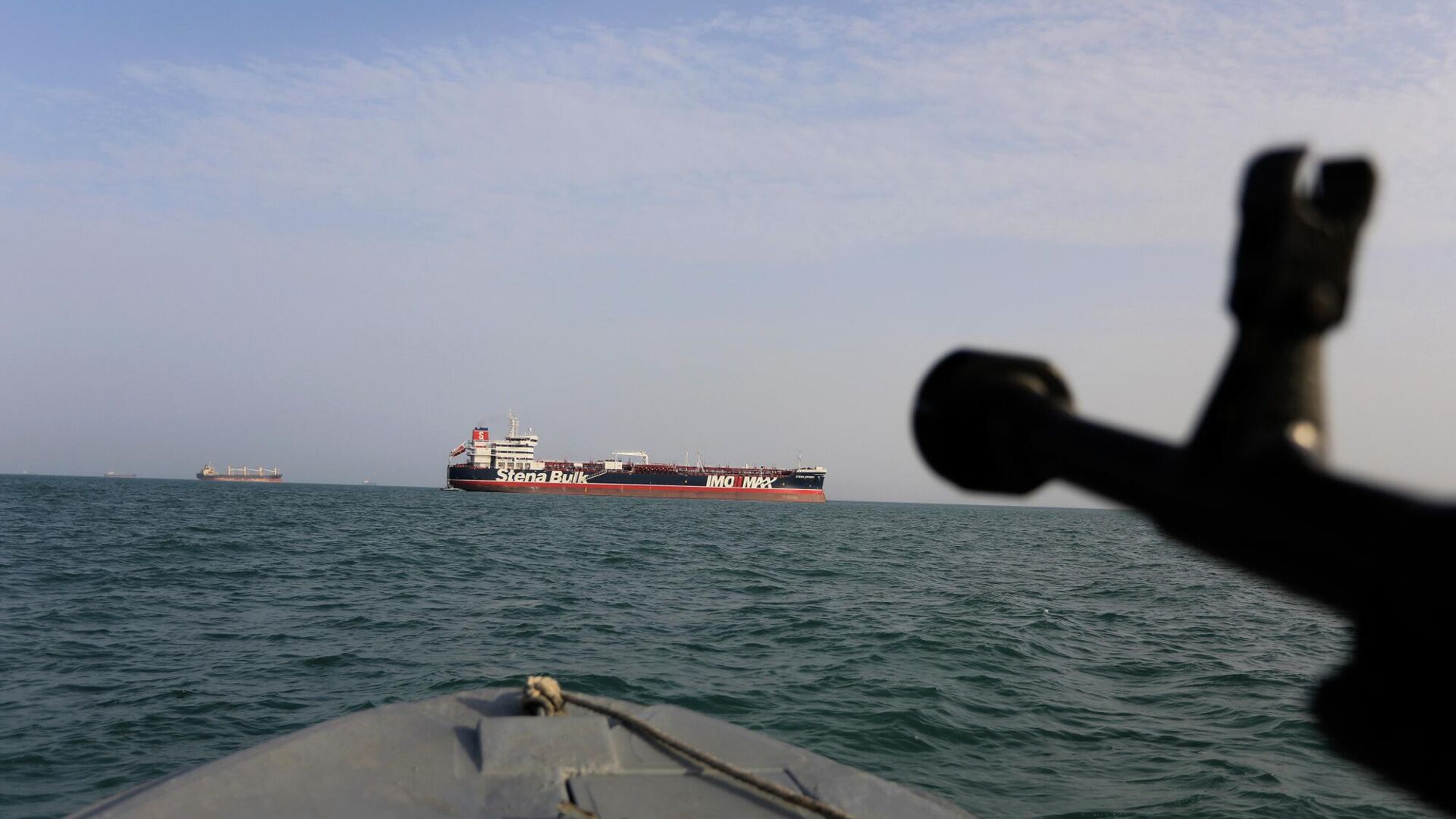
US President Donald Trump had urged US allies and partners to help break the Iranian blockade of the
Strait of Hormuz.
European nations refused to send warships, though some, like Germany, expressed support for diplomatic efforts.
"Washington didn't seem to account for the fact that despite repeated Iranian threats, Iran would close the Strait of Hormuz," Kamrava notes. "So that has become a very costly miscalculation and underestimation on the part of the US."
The US and Israel were unprepared for fierce Iranian resistance, the pundit says.
"Washington was looking for a quick, symbolic or decisive victory and that has not happened," he said "The Iranians have been prepared for a prolonged war, and that is important."
Reopening Hormuz is Fraught With Risks
The professor said the
blockade is hurting the US economy as gasoline prices rise. But Iran still controls the strategic waterway, and any US Navy flotilla would be at risk of attack.
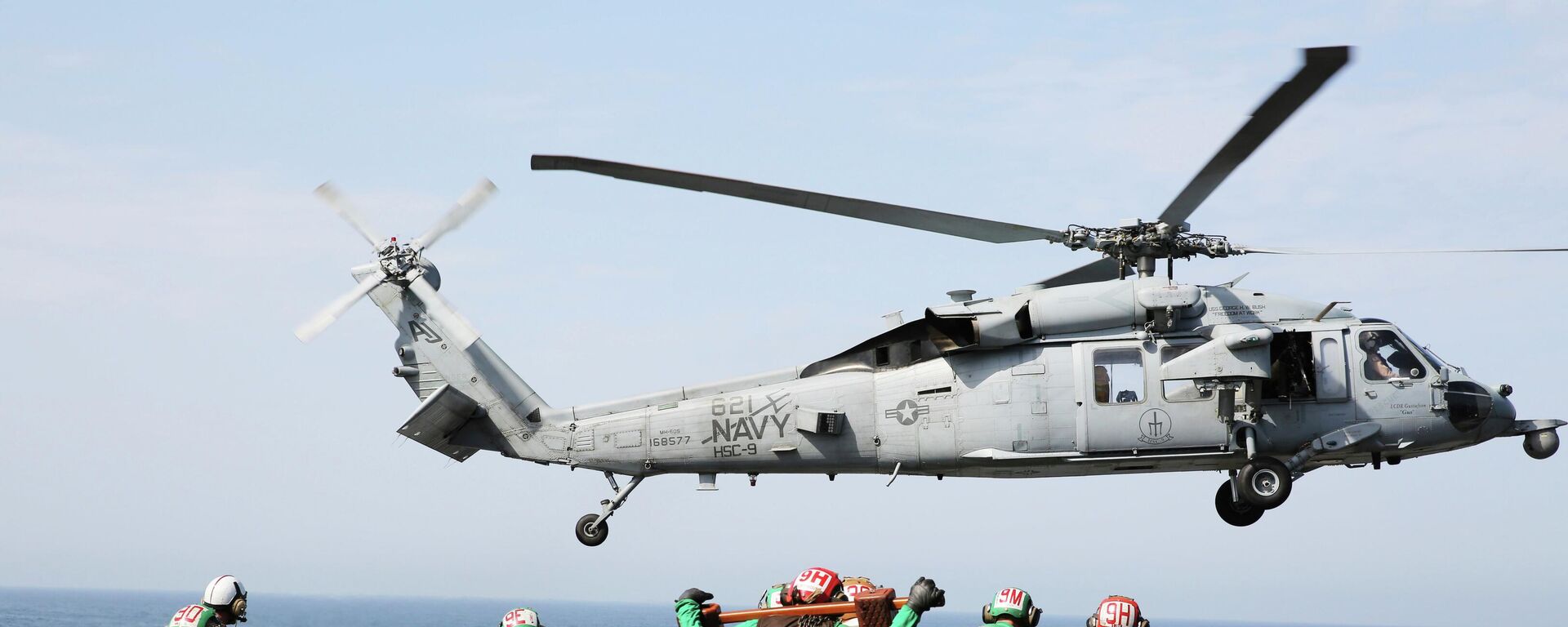
Even one US warship sunk or damaged or a few troop casualties would be "extremely costly" for the US government, the expert warns.
"If more American troops start dying, the US would pay a heavy price," he notes. "And this is exactly what the Iranians are counting on, the fact that they want to grind down America's resolve over time."